



The Office of the Public Independent Conciliator, OPIC, South West Region, has released its 2025 report with citizens expressing mixed feelings in Councils’ performances in the Region.
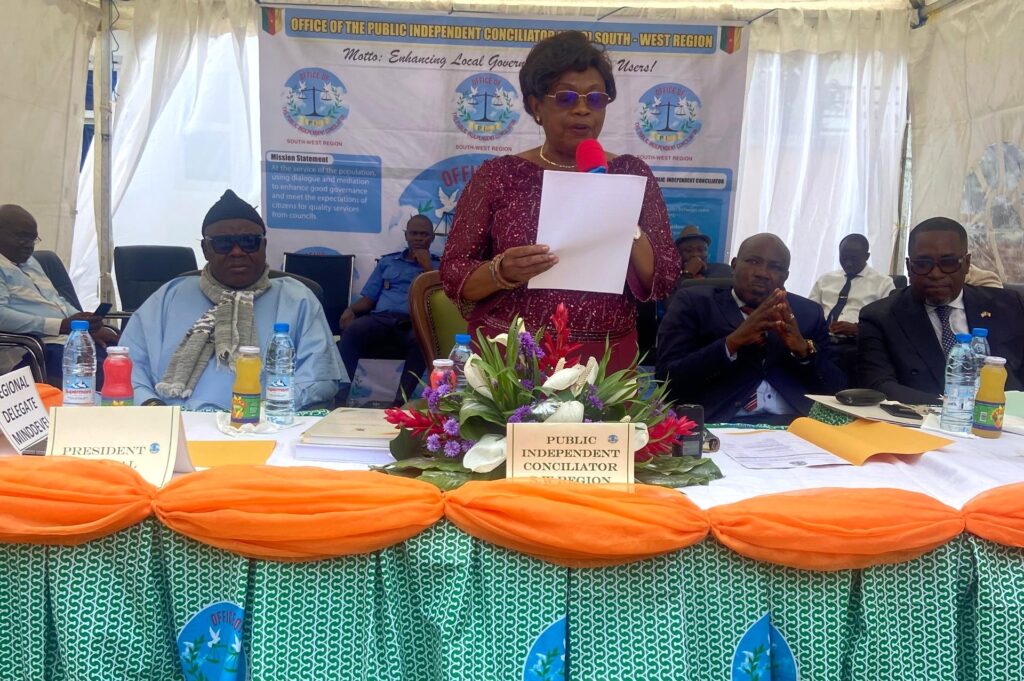
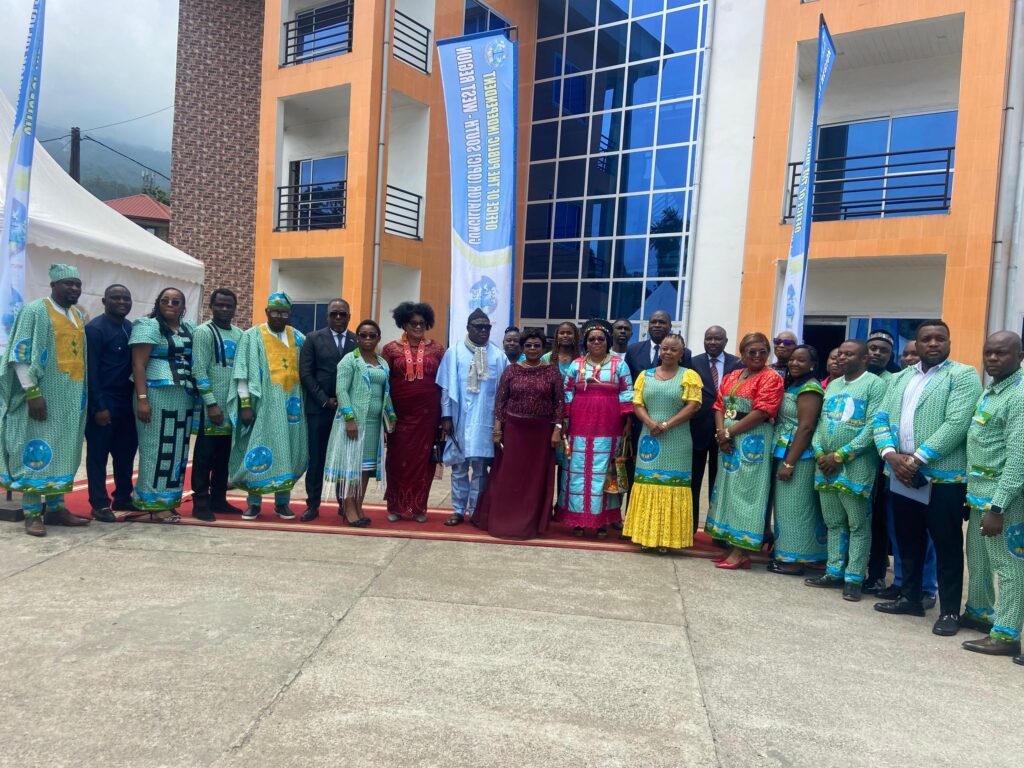
The 2025 report was released on March 11, 2026 at the OPIC’s office in Buea, in a meeting presided by the South West Independent Conciliator, Telelen Dorothy.
The 128 page report highlights both positive and negative aspects of council performance, with citizens expressing satisfaction in areas like civil status documents and commercial space allocation, but disappointment in garbage management and public toilet provision.
The report reveals that over 60% (percent) of respondents consider garbage management a weak area, with the situation worsening in 2025. “The disposal or management of garbage and urban waste is one of the weakest areas of performance for most local collectivities,” the report notes. Citizens also expressed concerns over hygiene and sanitation in markets.
On the other hand, over 70% of citizens view council performance as satisfactory in areas like civil status documents, commercial space allocation, and building permits. However, some citizens deplore malpractices in these areas.
The report attributes disparities in council performance to factors like insecurity, inaccessibility, and inadequate financial resources. Councils in Fako Division and urban areas performed better, while those in peripheral areas struggled.
The 2025 report also notes a shift in citizen attitude, with more overt expressions of concern following the October Presidential elections. “The general atmosphere prior to and after the said elections saw the emergence of more overt or relatively aggressive forms of expression of preoccupations,” the report states.
The Public Independent Conciliator’s report provides insights into citizen concerns, highlighting areas for improvement in local council performance. As the region moves forward, addressing these concerns will be crucial to strengthening relations between citizens and their local governments.
The report’s findings are based on a survey of 2,928 respondents across the South-West Region, with a 96% response rate. The data provides a comprehensive overview of citizen perceptions, informing efforts to improve local governance and service delivery.
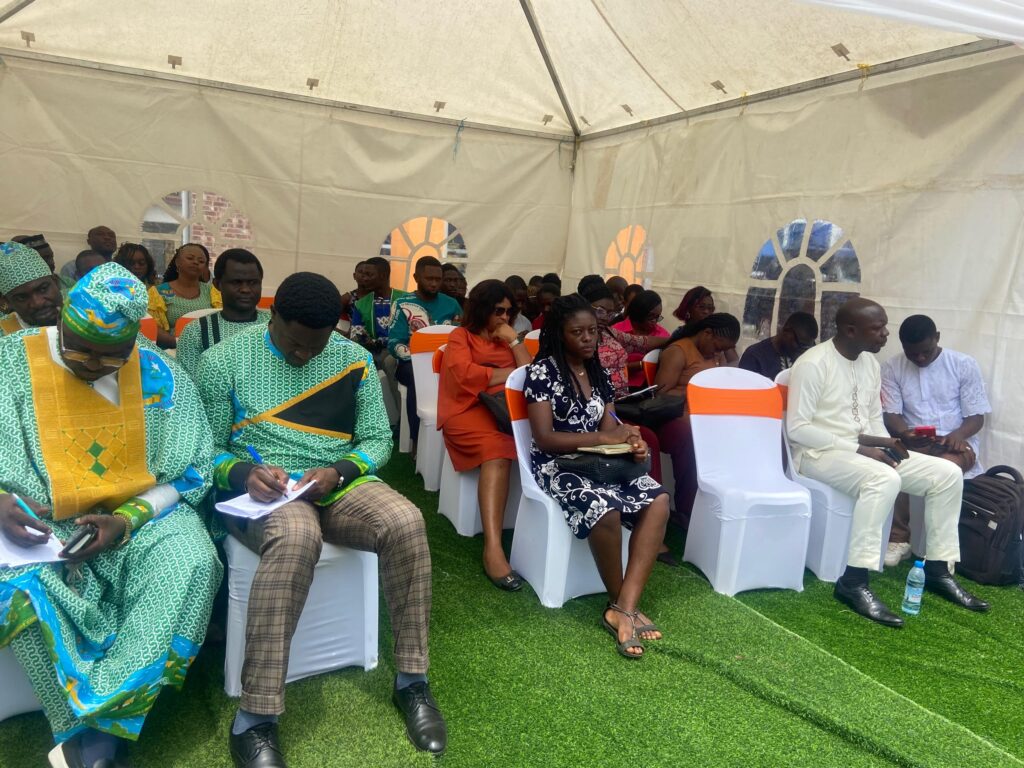
Earlier in her welcome address, the Conciliator lamented on the poor follow up of some projects by the regional assembly and the refusal of some councils like Akwaya Council to receive her office. She however promises to be there.
Telelen promised to strengthen collaboration with the media, the civil society and other stakeholders to ensure good governance between the local councils and the population.
“The South West is no more a red zone. All mayors should return to their various work stations and get to effective work. This is a guarantee to peace. Development can only come if we give peace a chance.” She added.
The Regional Delegate of Decentralization and Local Development, Teddy Ngeck Agbor suggested that to ensure good and sustainable management practices, some strategies like clean quater competition should be organized by quarter heads. He said local committees should be created to repair public taps.
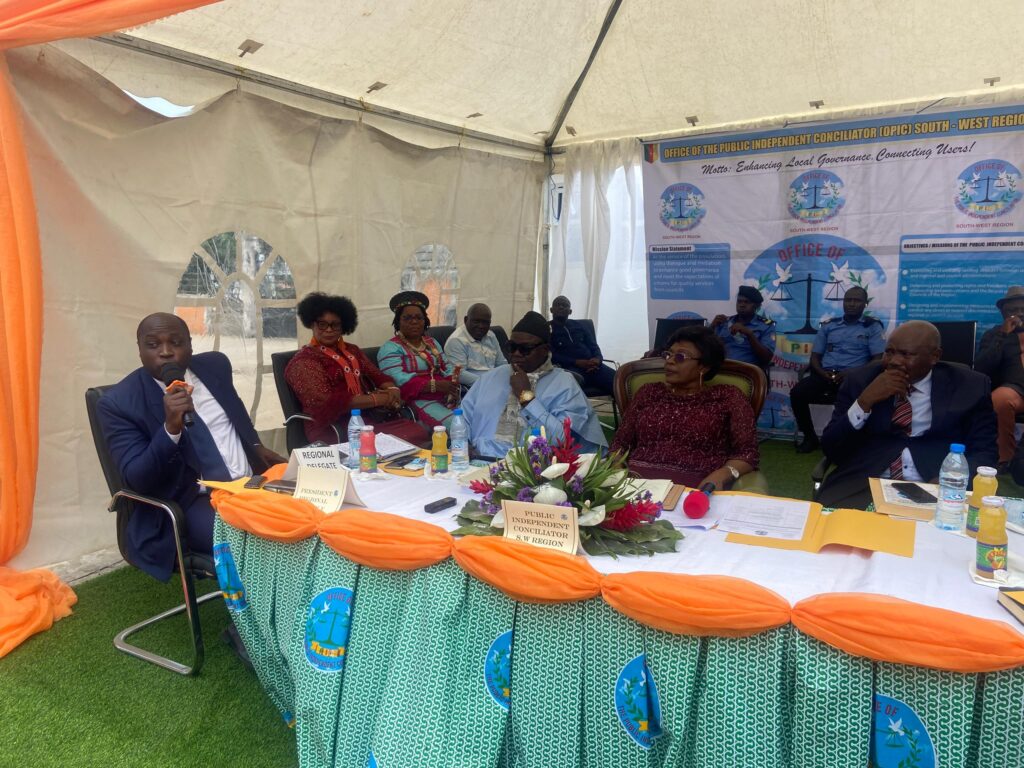
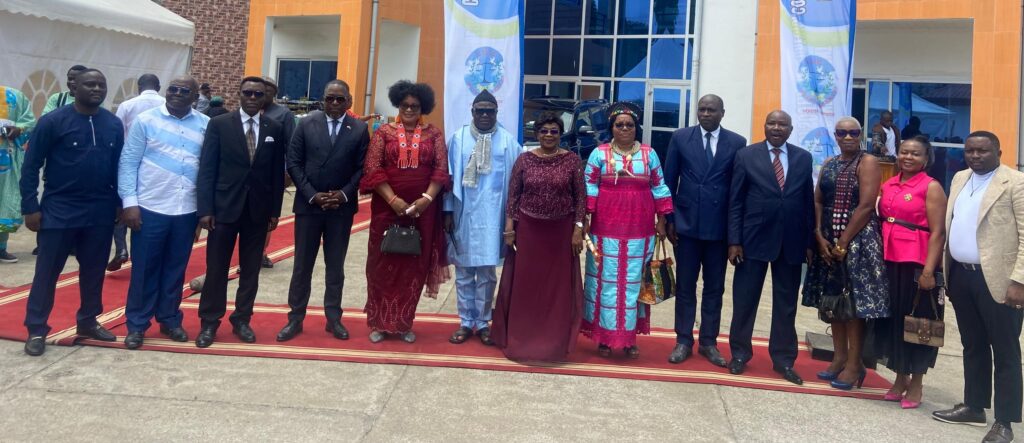
Also present at the meeting were civil society actors, representative of the mayor of the Limbe I Council, and other stakeholders.
By Hannah Bissong