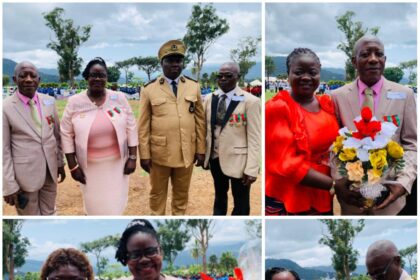




Bakossi National Park under the Programme for the Sustainable Management of Natural Resources, PSMNR, South West Region, has intensified its call for forest conservation, telling communities that protecting trees is protecting human survival.
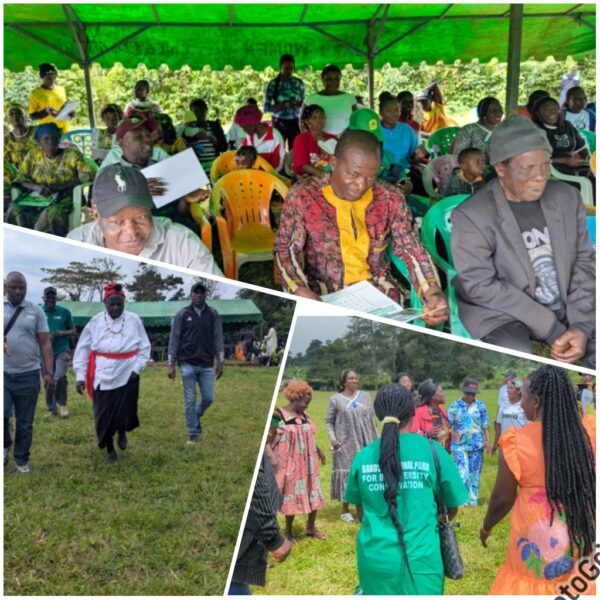
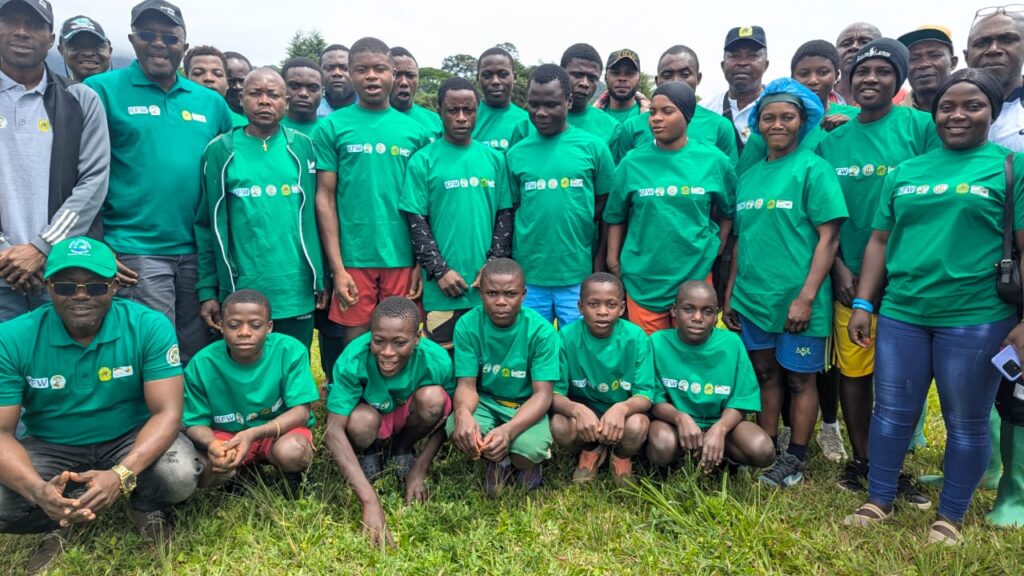
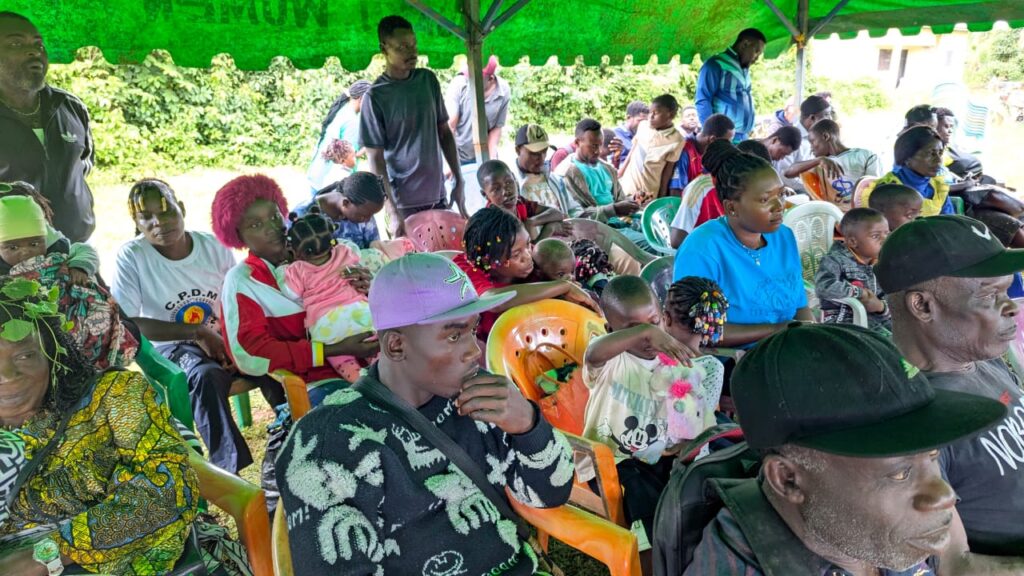
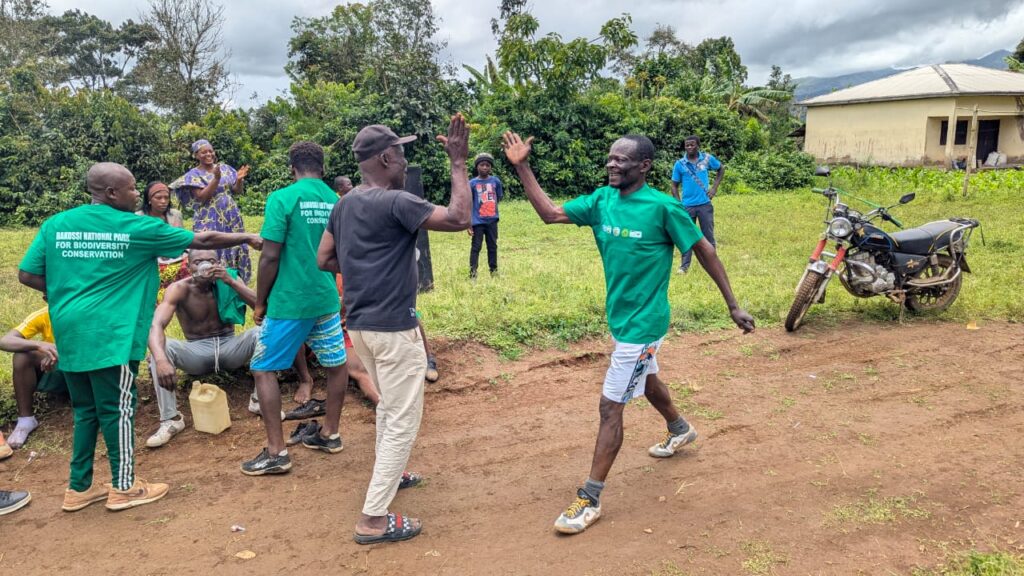
The message anchored World Wildlife Day celebrations held Saturday, April 26, 2026, in Muaku village, Bangem Subdivision, Kupe Muanenguba Division where park officials, chiefs, and villagers gathered under the theme: “Forests and Livelihoods: Sustaining People and Planet.”
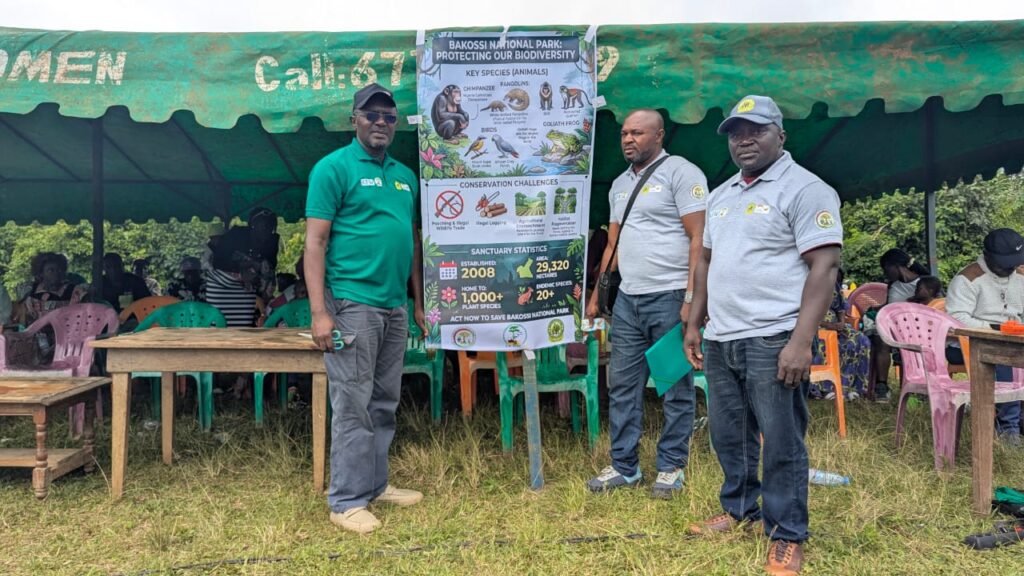
“Forests are not just trees. They are health, culture, livelihoods, and water,” Community Development Officer of Bakossi National Elvis Kome Ngome told the crowd. “Destroy them, and we destroy ourselves.”
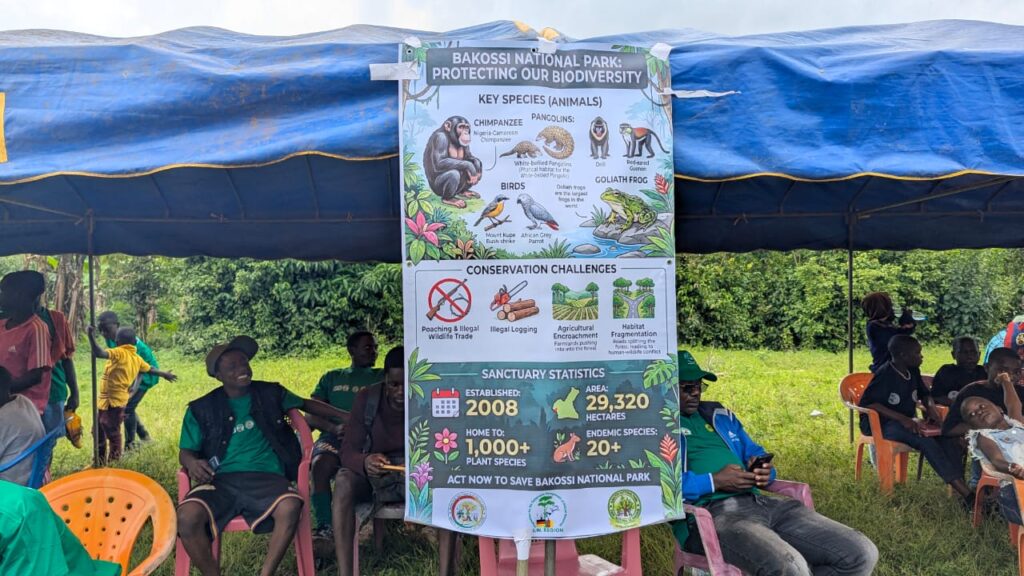
Ngome said Muaku was chosen for the event due to its proximity to the park headquarters and its role in ongoing conservation. He warned residents against poaching, illegal logging, wildlife trafficking, and farm encroachment, saying such acts endanger both people and ecosystems.
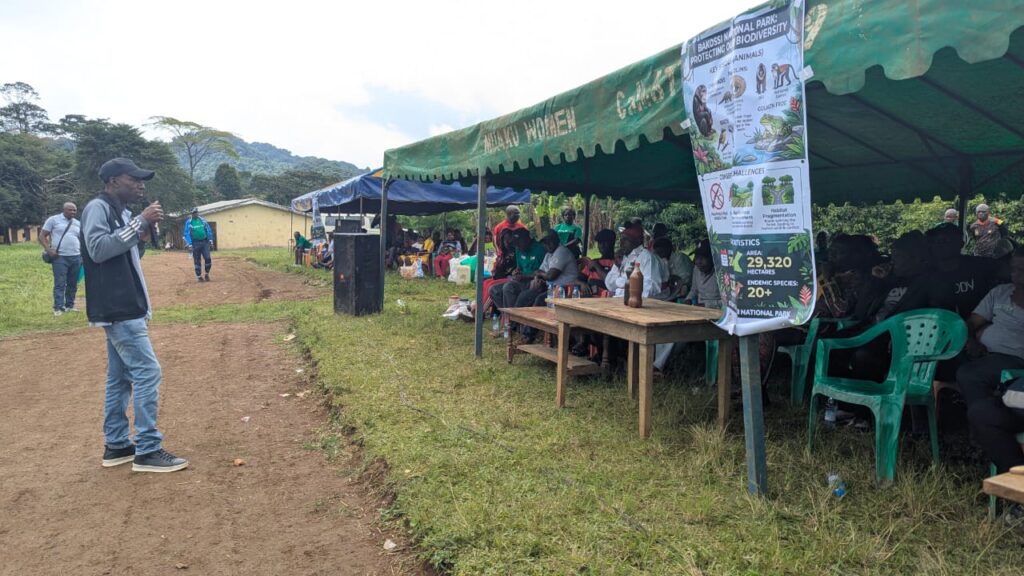
The Bakossi forest, he stressed, is a critical water catchment serving Cameroon’s Southwest and Littoral regions and Nigeria’s Cross River State. It also hosts 320 rare plant species, 32 of which are found nowhere else on earth.
To curb destruction, the park has demarcated boundaries across four clusters, reinforced community wildlife surveillance, and planted timber trees along borders.
On livelihoods, it has distributed pigs, set up nurseries, granted scholarships, and trained children of repentant poachers in trades.
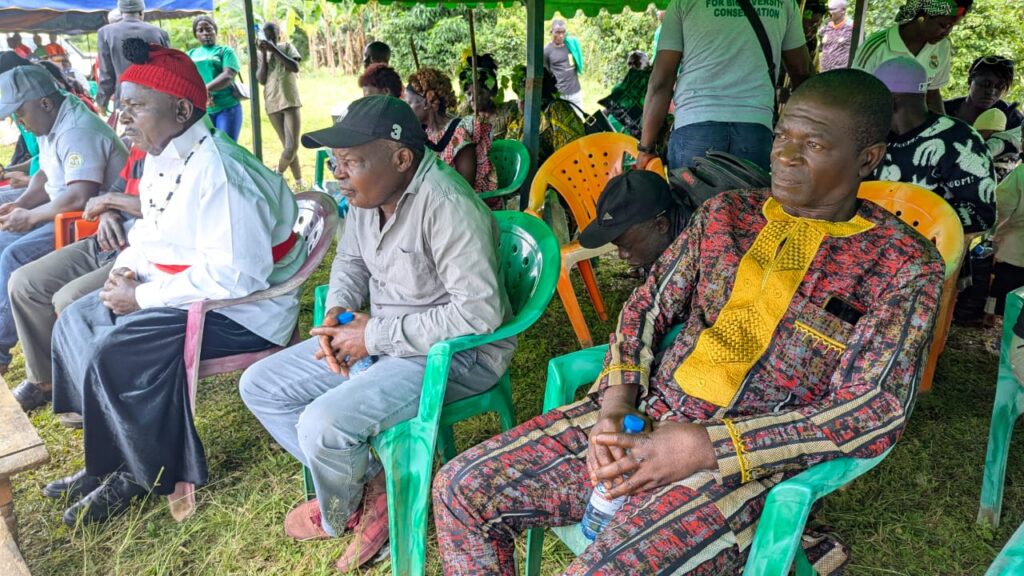
“We want people to live well without killing the forest,” Ngome said, urging continued collaboration to attract more development.
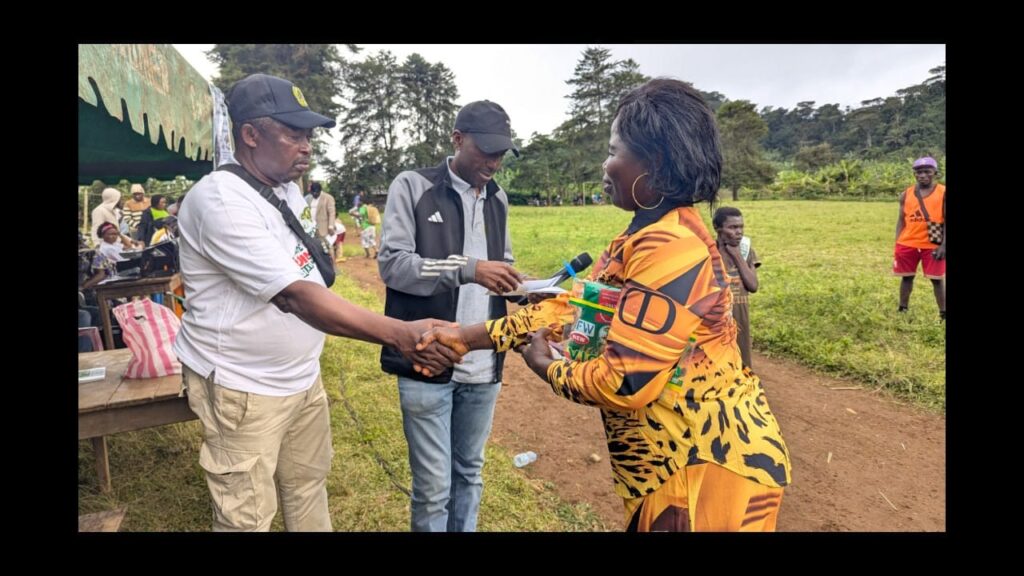
Chief of Muaku, Ewane Moses, praised the park’s livelihood projects in the South East Cluster and pledged to uphold conservation rules for his people’s well-being.
PSMNR-SW’s Communication Officer Julius Atia called for stronger protection of key species — chimpanzees, pangolins, drill monkeys, red-eared guenons, and the Goliath frog — saying they maintain ecological balance and human health.
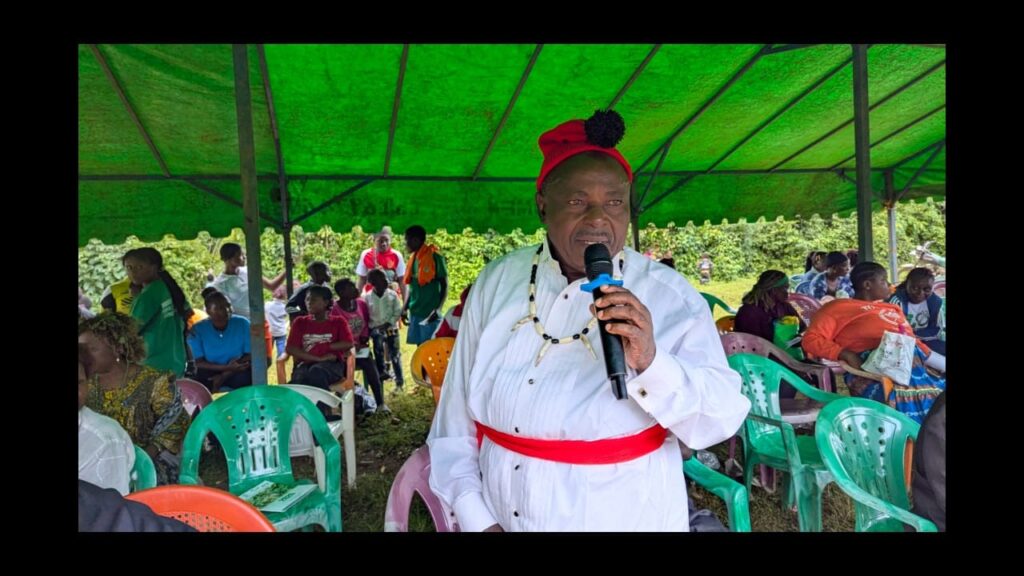
Chief Ndode Ewang, General Secretary of the Africa Millennium Development Network, said conservation education is vital so “future generations continue to benefit from natural resources.”
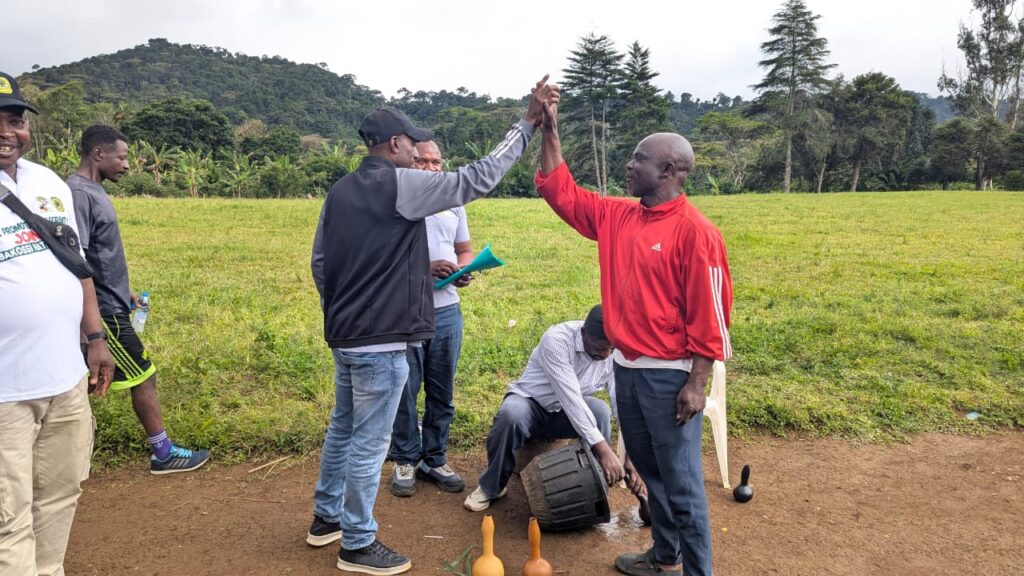
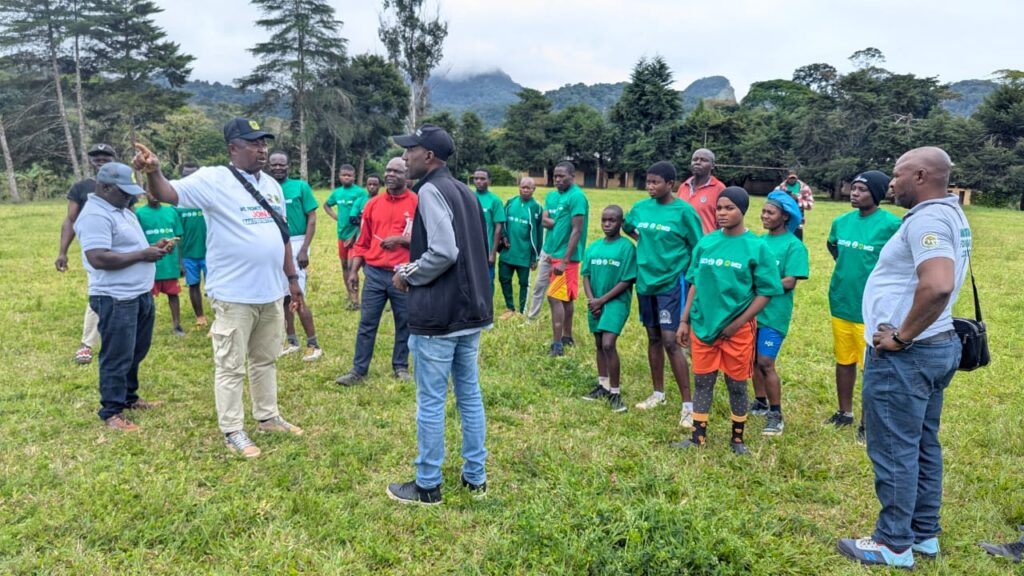
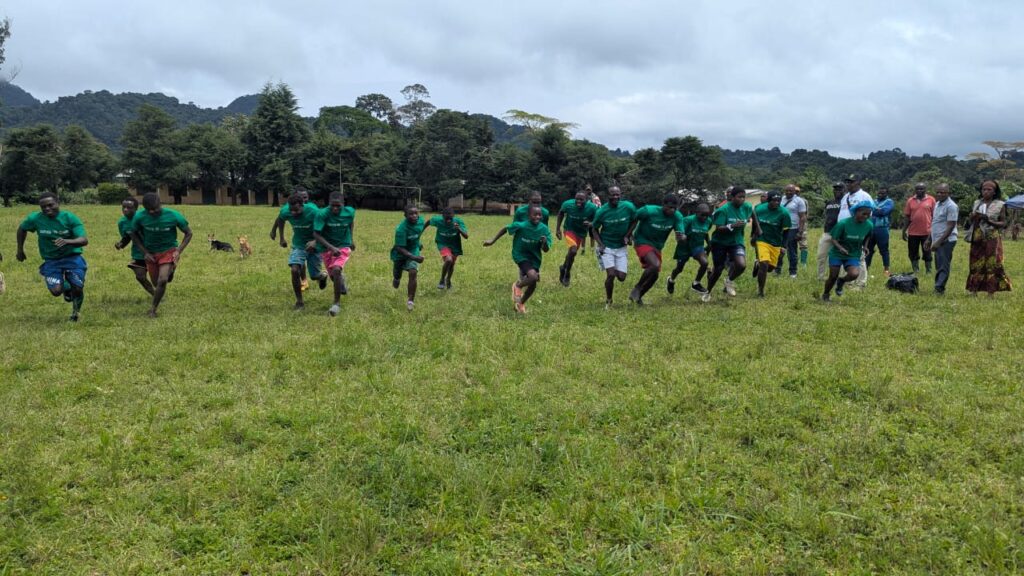
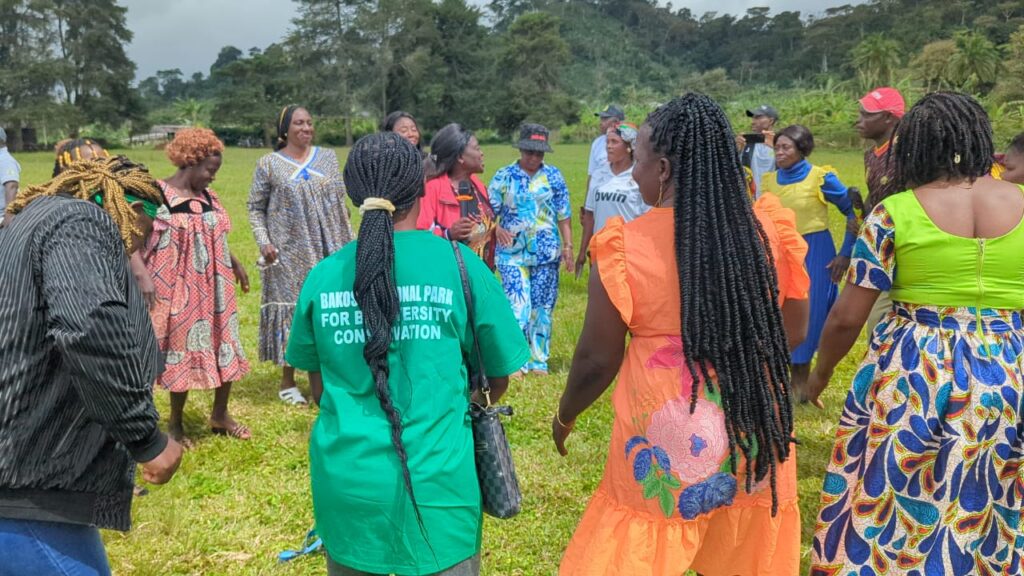
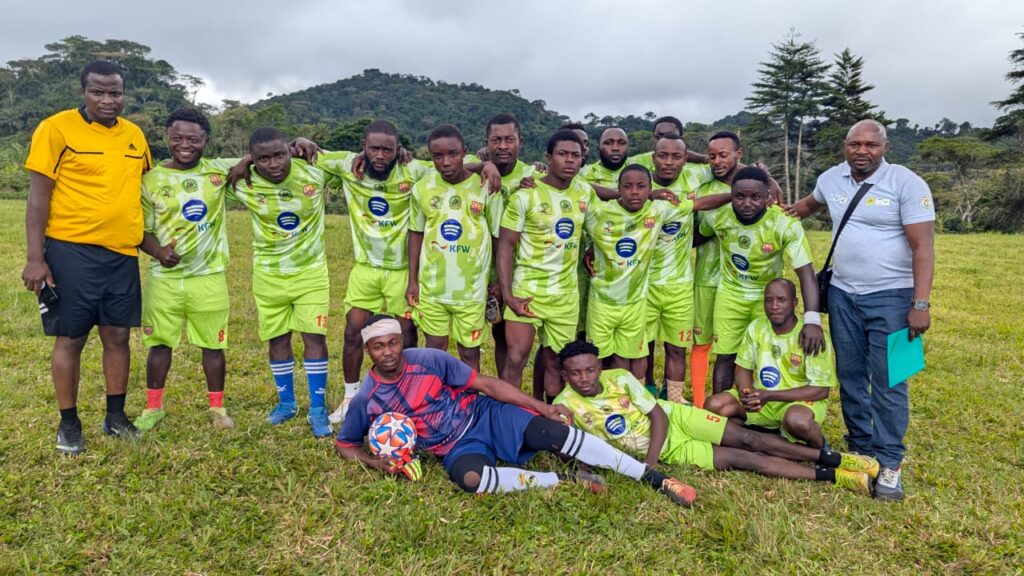
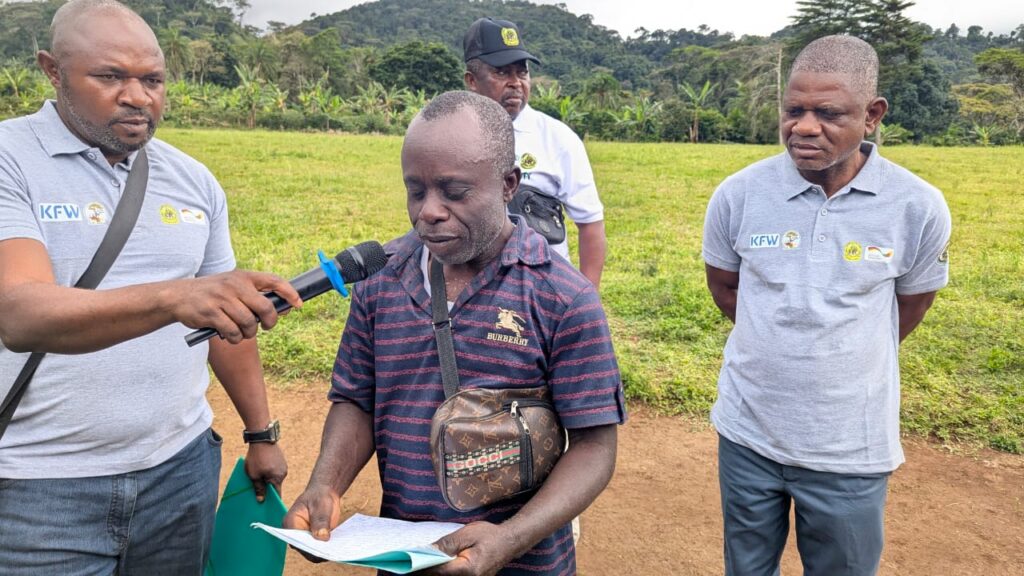
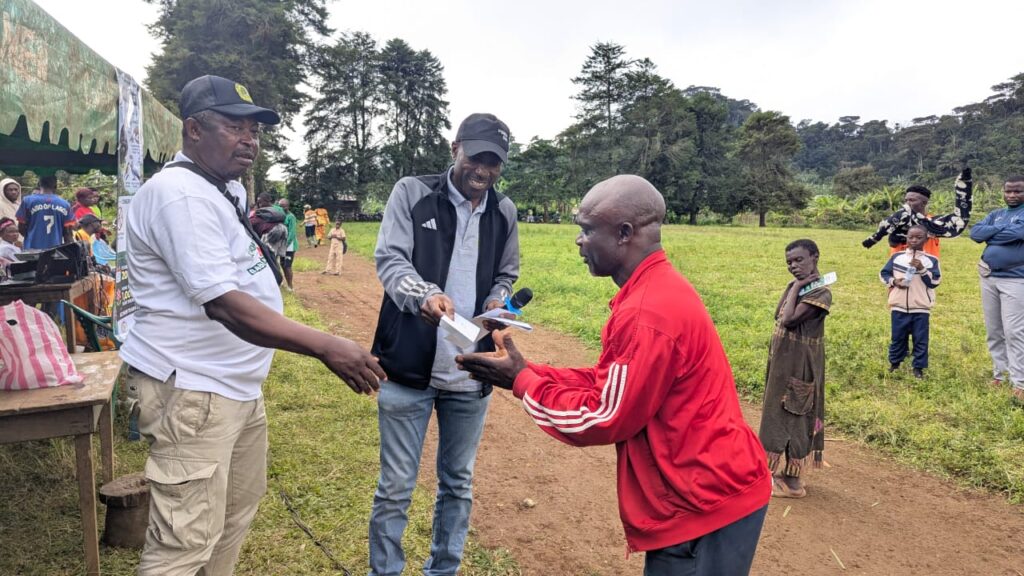
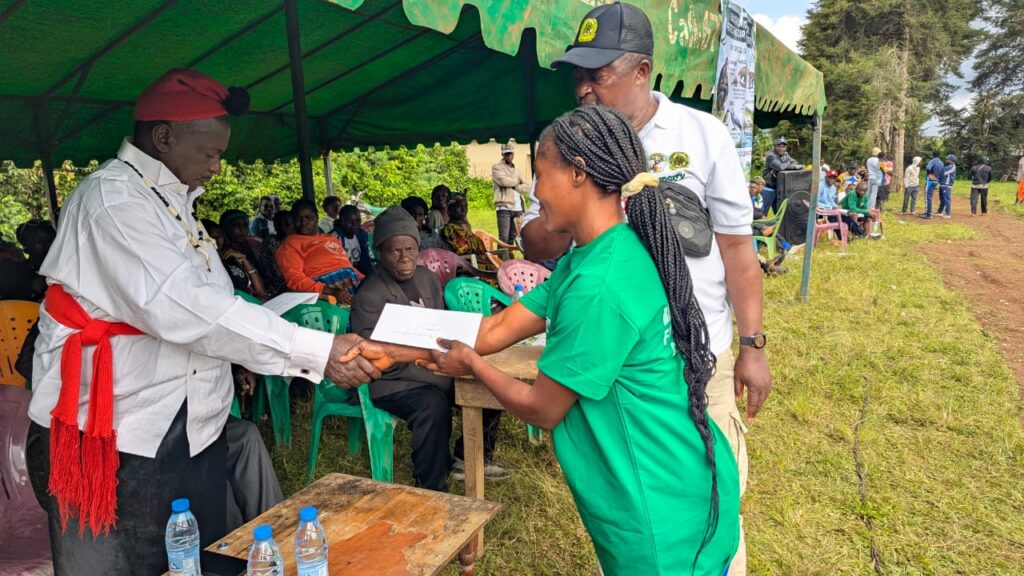
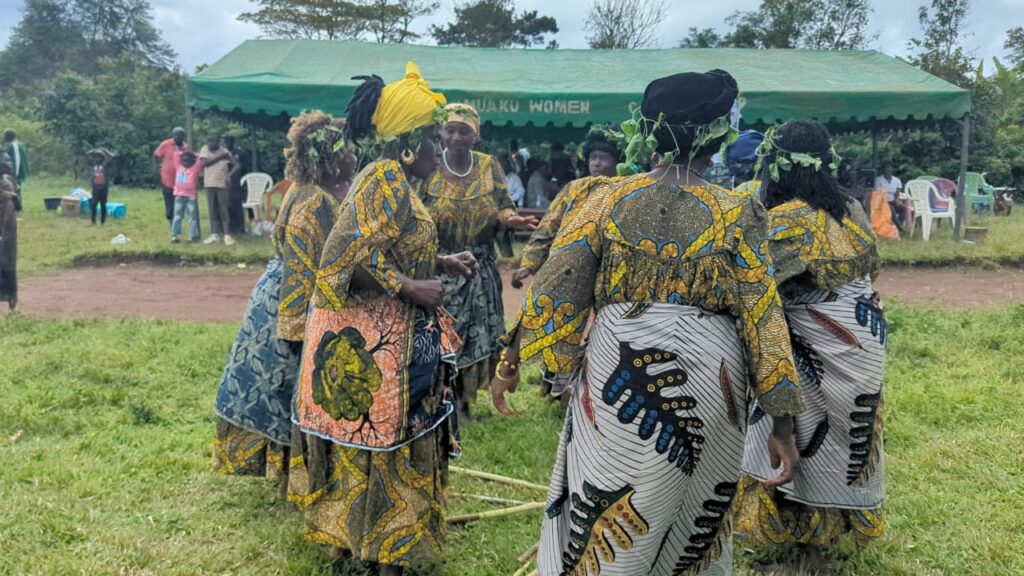
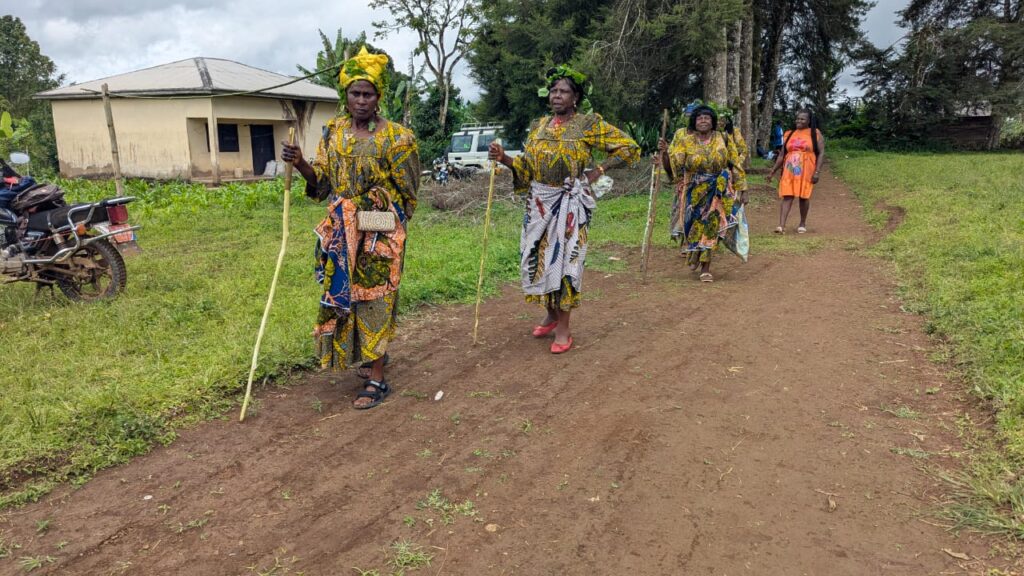
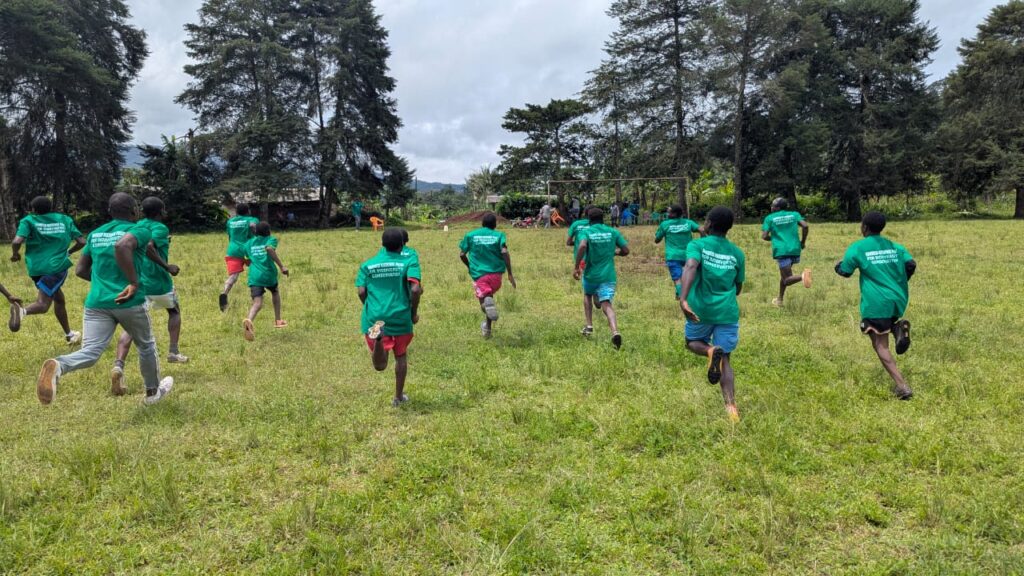
The day featured men’s and women’s marathons, a football match, traditional dances, musical displays, prize awards, and libation.
Ntide Elvis won the men’s marathon, with Nkwelle Fabrice second and Ntungwe Desmond third. In the women’s race, Epie Sone Mathilda took first, followed by Hene Dione and Ekane Faith.
Park officials said the celebration drove home one message: forests remain indispensable pillars for health, culture, livelihoods, and ecosystem survival.
By Ngoh Jude Larissa-Dian & Michael Fongwe