



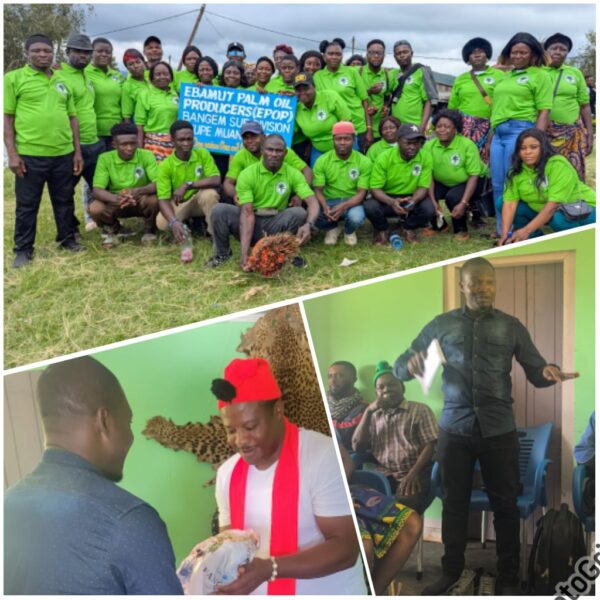

Ebamut village, Bangem Sub Division, will soon have its own branded palm oil, and the first processing plant in Kupe Muanenguba, the Divisional Delegate for Small and Medium-Sized Enterprises, Social Economy and Handicraft, MINPMEESA, Ngoupayou Louh Marcel Herve revealed.
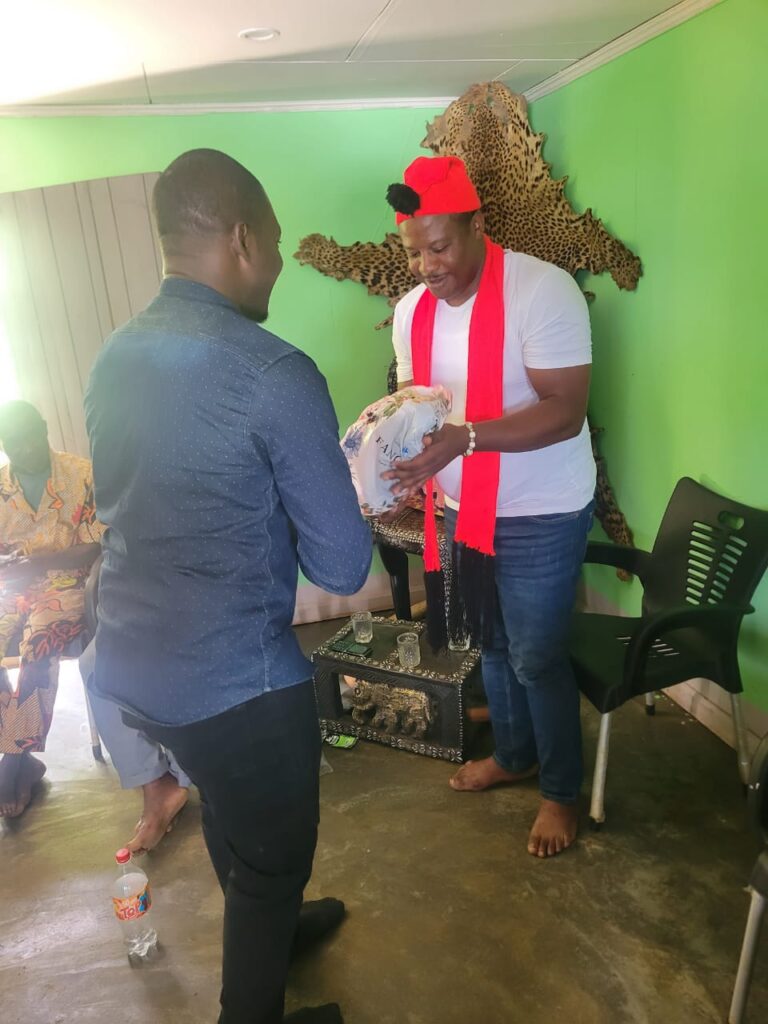
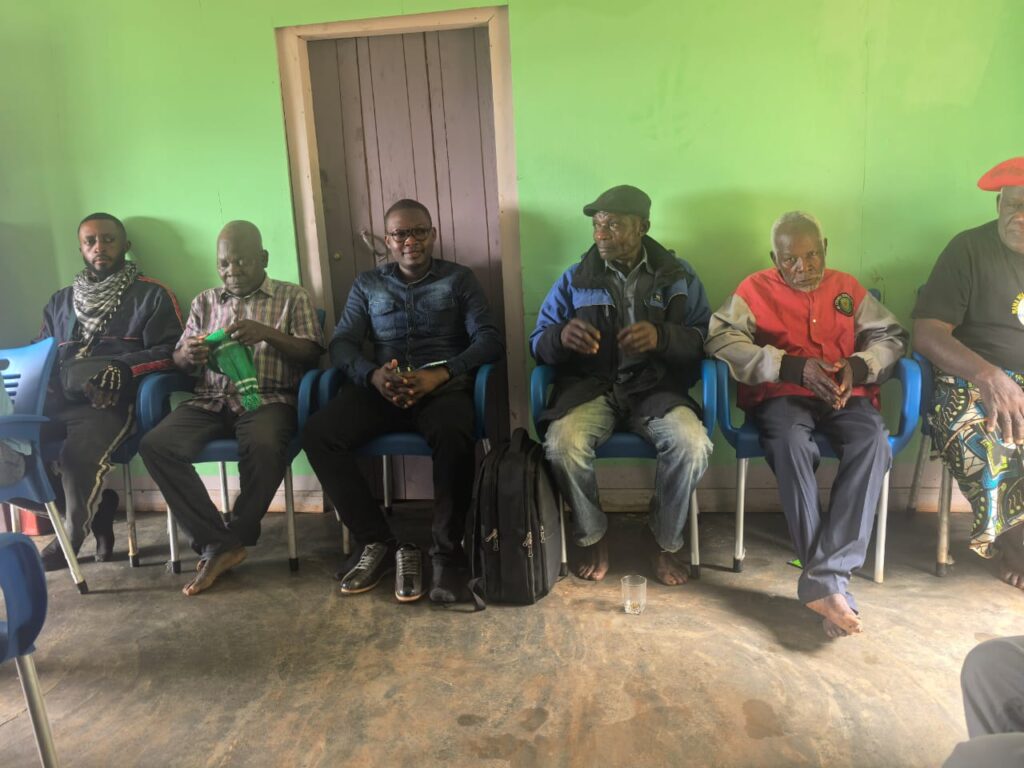
The promise came on 2 May 2026, after villagers gave the Delegate a rousing welcome at the Chief’s palace despite torrential rains and rough roads.
“For the DD to come on a Saturday shows this is serious,” HRM Esong Julius Etiba of Ebamut told his people.
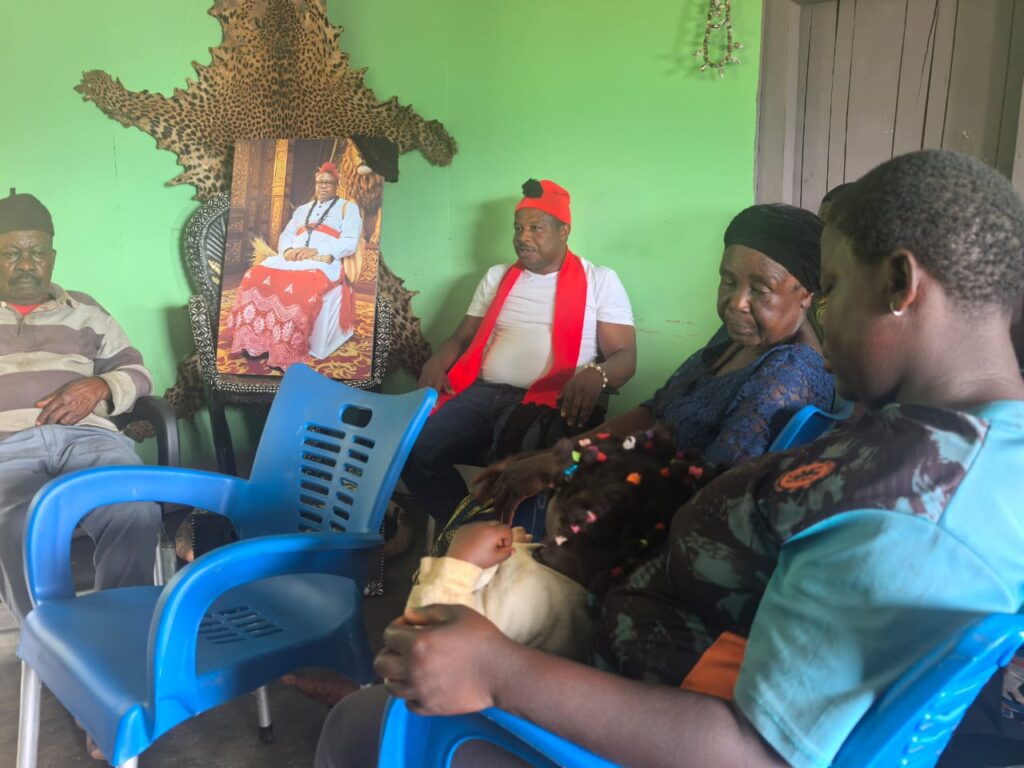
The Chief and kingmakers offered blessings, praying that “God and the ancestors give the right energy to the Delegate and all stakeholders to realize good actions for the development of their village.”
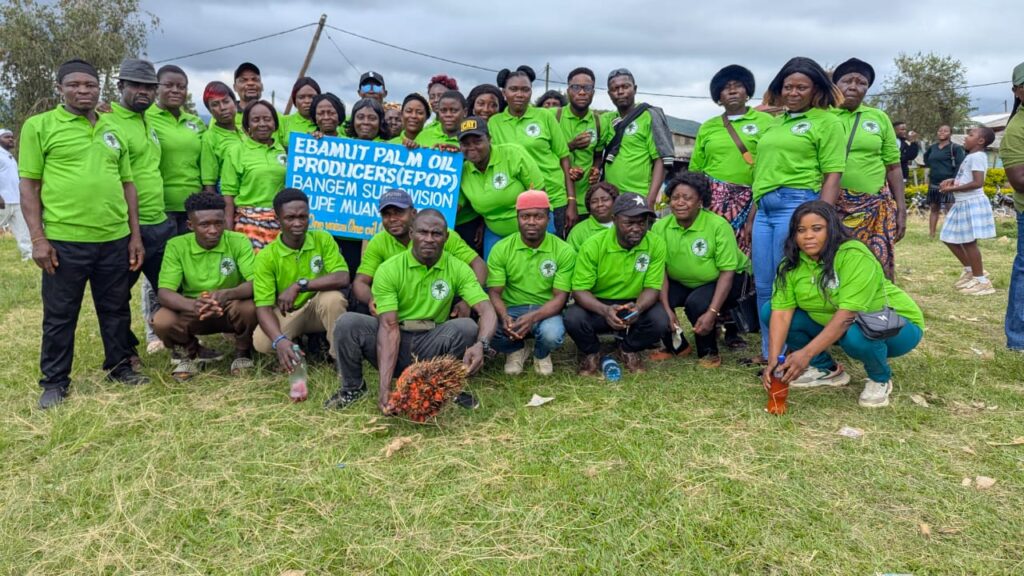
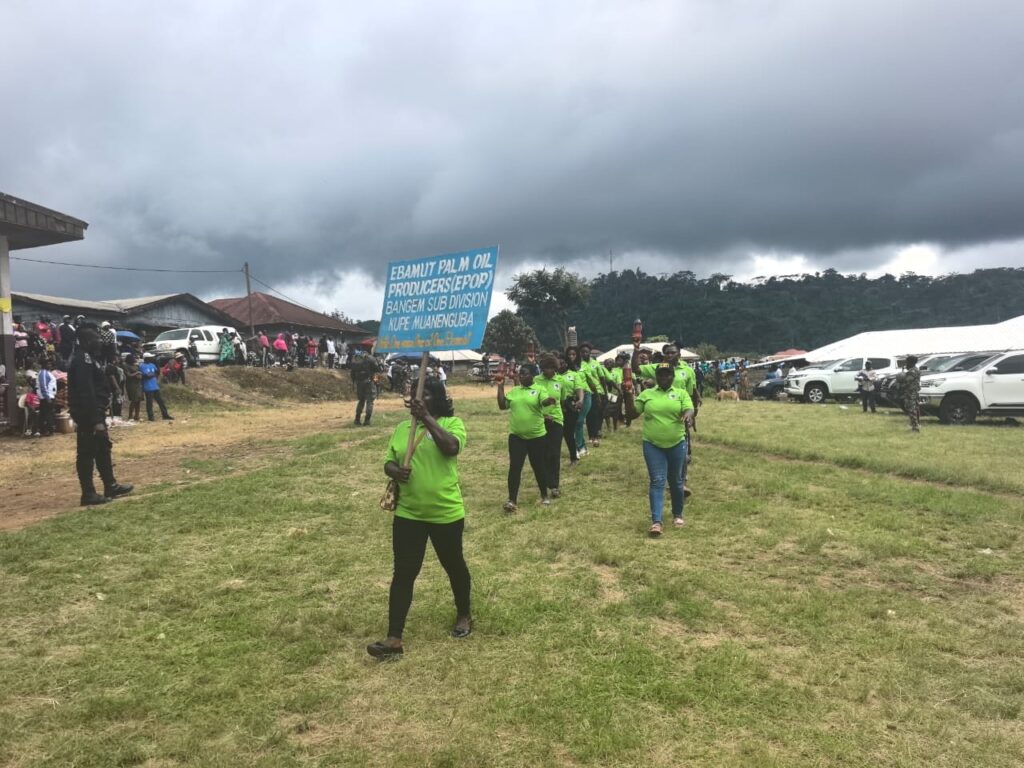
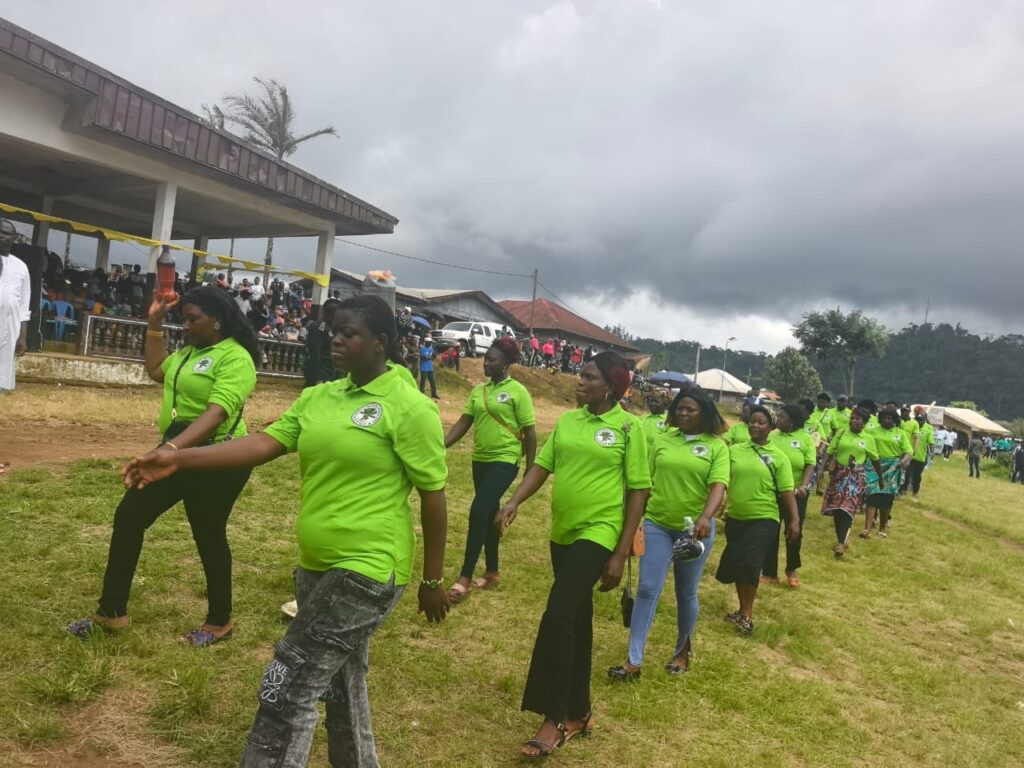
Ngoupayou’s visit to Ebamut followed a “powerful exhibition” by Ebamut Palm Oil Producers, EPOP, at Labour Day in Bangem. That showcase, the Delegate said, proved Ebamut oil could compete, if packaged right. So MINPMEESA is now launching the ‘Ebamut Palm Oil Label’, with improved bottling and branding to move the product from buckets to supermarkets.
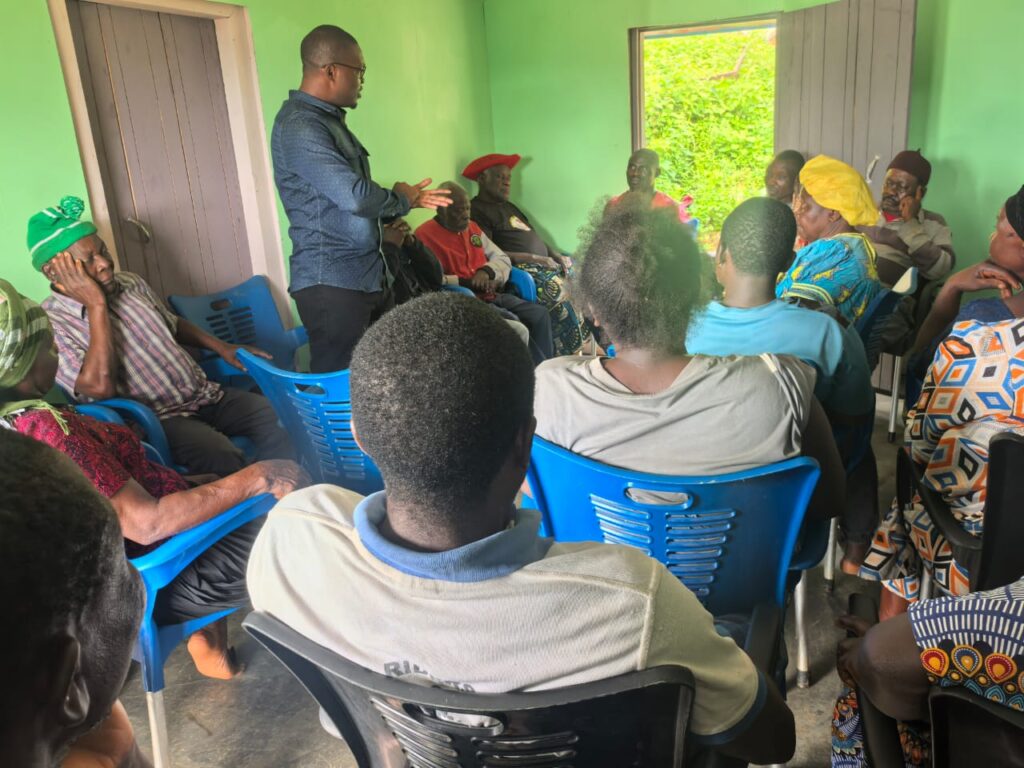
But the bigger vow drew louder applause: “Kupe Muanenguba has no processing unit. We must change that,” the DD declared. He committed to drafting a business plan for a palm and kernel oil processing plant in Ebamut — the first of its kind in the Division. The plant would buy from local farmers, crush on site, and create direct jobs.
The industrialization plan goes beyond palm. Working with MINMIDT and Forestry, MINPMEESA will push projects for sand, stone, and wood production units in Ebamut to tap the area’s natural resources. “We are sitting on wealth. We must transform it here,” the Delegate said.
Plantain farmers got a direct answer too. King Maker Ebene Paul raised concerns over low prices that leave producers poor. “Selling raw keeps us poor. Processing is key — not just for plantain, but for cocoa, coffee, cassava,” the DD responded. He urged cooperatives to consider chips, flour, and other value-added products.
To keep momentum, three youths were designated to liaise with the Delegation on every project. Villagers also asked for real-time alerts on training and funding.
Ngoupayou praised HRM Chief Esong for “standing to ask for information in the interest of the community” and pledged that his office “will always be available for the promotion of community development.”
Before explaining MINPMEESA’s mission, the Delegate sensitized the crowd on craft registration, urging artisans to formalize so they can access support.
The meeting closed with “item 11” — a communal meal laced with the celebrated Ebamut Palm Oil. “The taste was wonderful,” said one elder. “Now the world should taste it too.”
If the label and plant take off, Ebamut shifts from raw supplier to agro-industrial hub.