



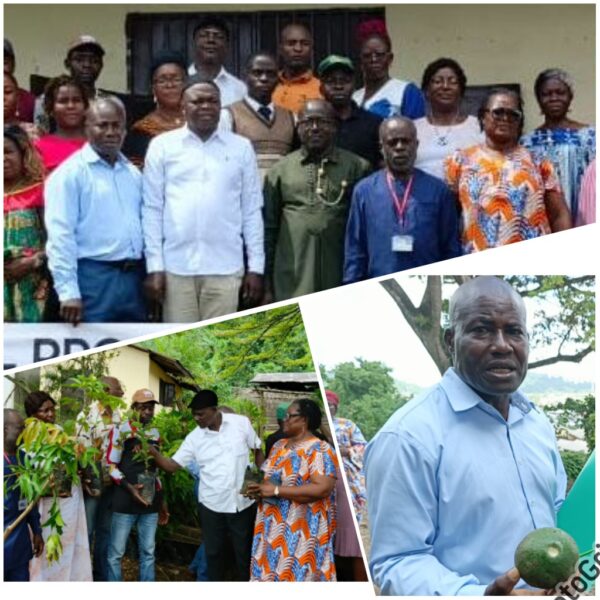

The Centre for Agroecological Promotion, CAEP, launched a Green Hub in Tombel on April 30, 2026, to help farmers cut soaring feed costs and boost food production using an integrated Azolla-Fish-Poultry farming model.
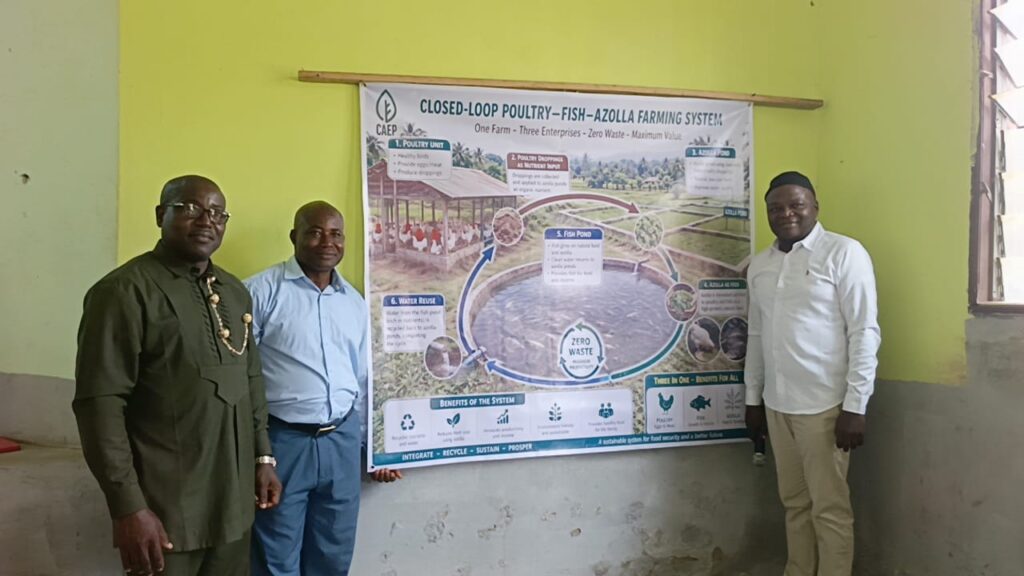
Backed by Agroecological Fund and Global GreenGrants Fund, the new demonstration and training center teaches farmers to grow Azolla, a protein-rich aquatic fern — to feed fish and poultry, slashing reliance on expensive commercial feed, while improving household incomes and soil health.
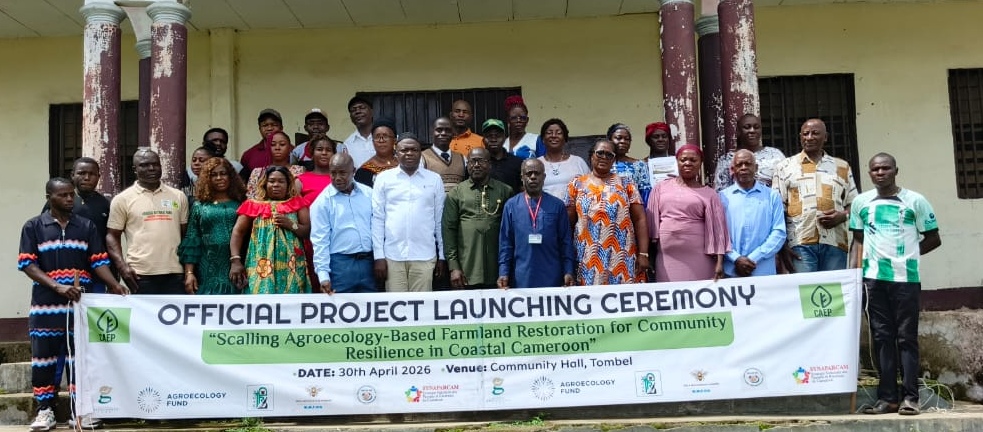
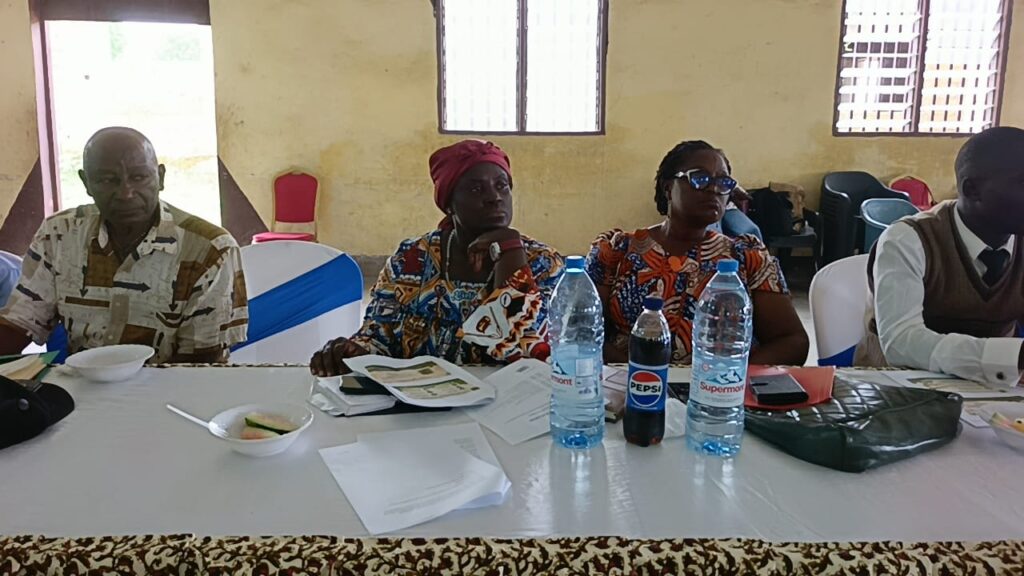
The launch at Tombel Community Hall with support from Agroecology Fund and Global Greengrants Fund, drew farmers, agricultural officials, development partners, and community leaders under the theme “Restore Our Land, Secure Our Future.”
Addressing participants at the ceremony, CAEP’s Executive Director, Eku Emmanuel said the hub moves the organization from advocacy to practical action.
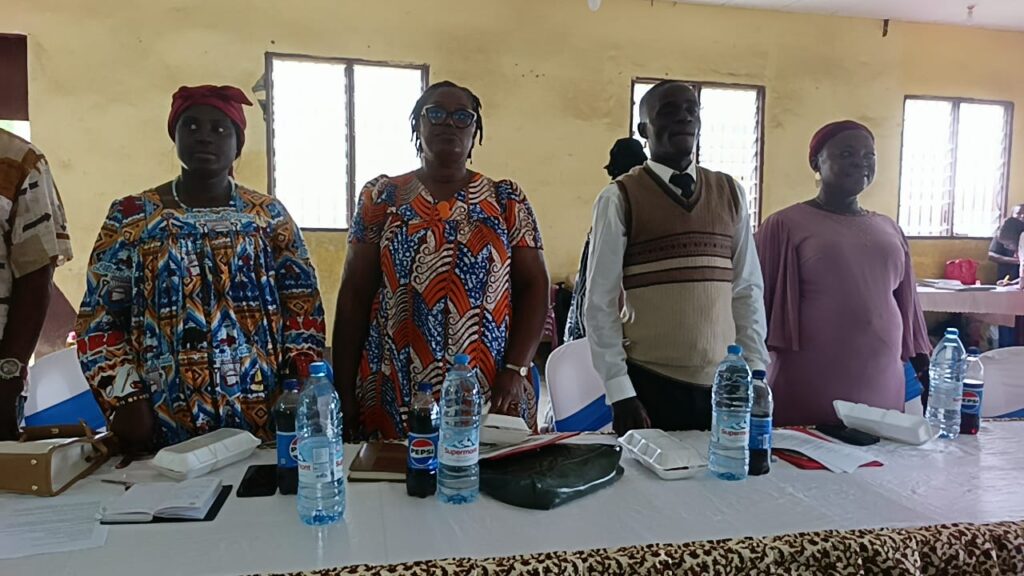
“This project is a concrete agroecological response to the realities of our farmers — declining soil fertility and rising poultry feed costs,” he said. “It is a community knowledge center where affordable innovation can be learned and replicated for long-term food system transformation.”
He said the initiative focuses strongly on supporting women and rural communities.
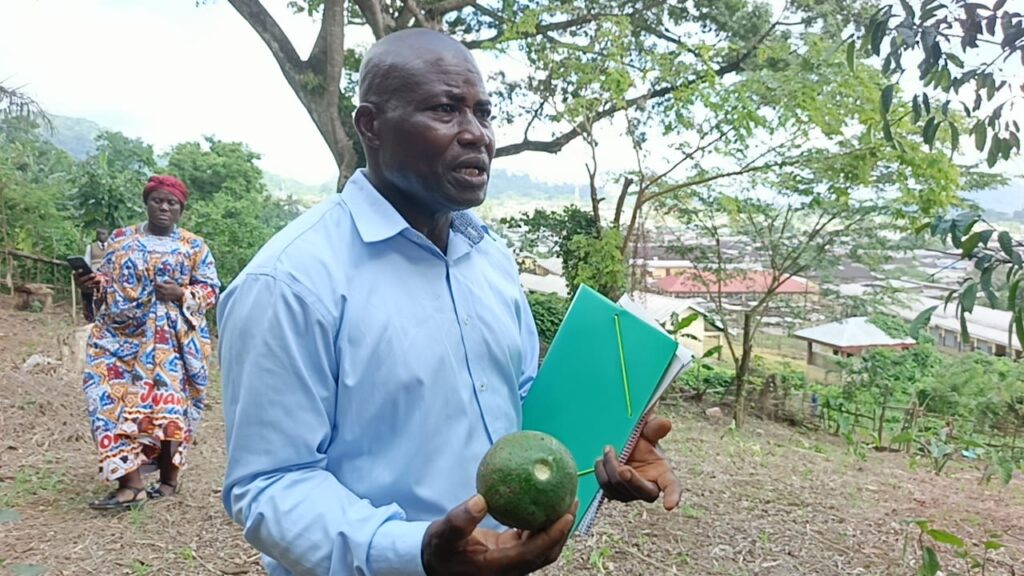
Project Manager Valentine Sone explained that the integrated Azolla-Fish-Poultry system allows nutrients, organic matter, and feed to circulate within the farm. “The hub is designed as a practical learning platform for Azolla multiplication, fish farming, and poultry production,” he told The Ultimate.
“The model cuts the cost of expensive farm inputs while improving household food security, incomes, and climate resilience.”
Dr. Lewis Levai Dopgima, Chief of Station at IRAD Njombe, Moungo Division, represented the Multipurpose Agricultural Research Station. “We are partners with CAEP. We provide support, capacity building, and human resources,” he said.
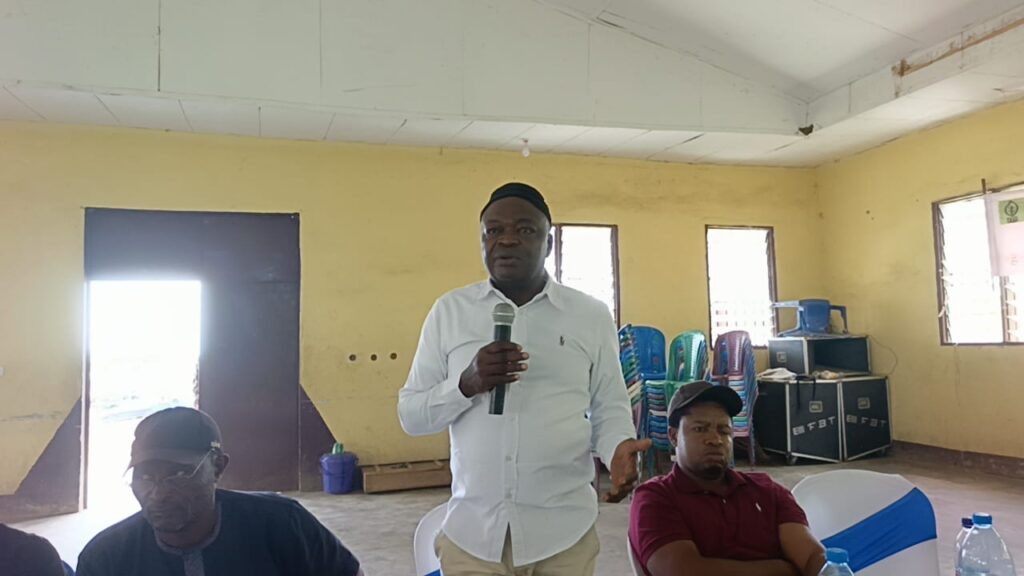
He urged the hub to add value by opening a restaurant to serve its bio-products. “Eggs, fish, birds, vegetables — these are organic and should command higher prices so people learn to eat healthy in Tombel,” he added, encouraging residents to drink herbal tea each morning.
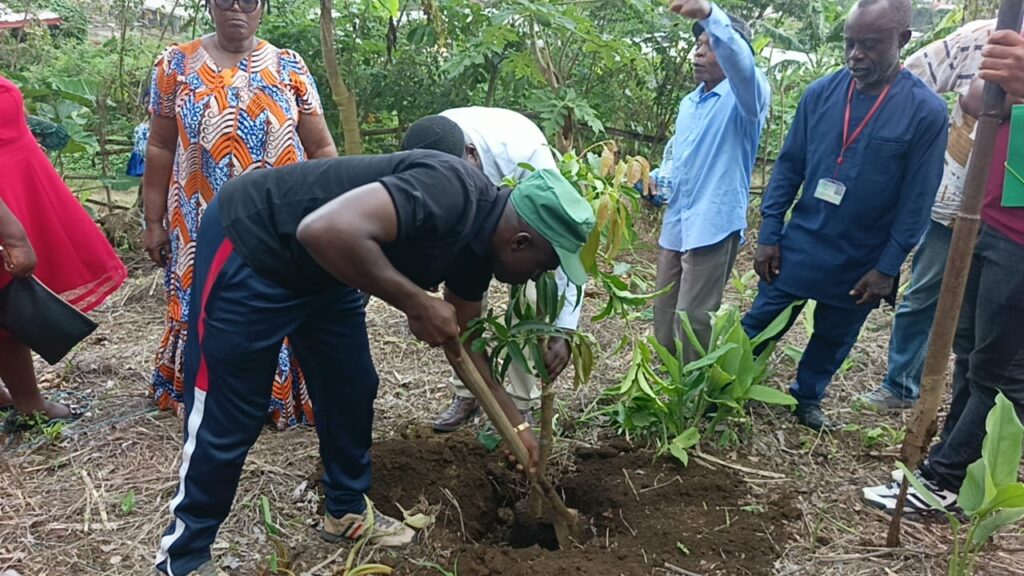
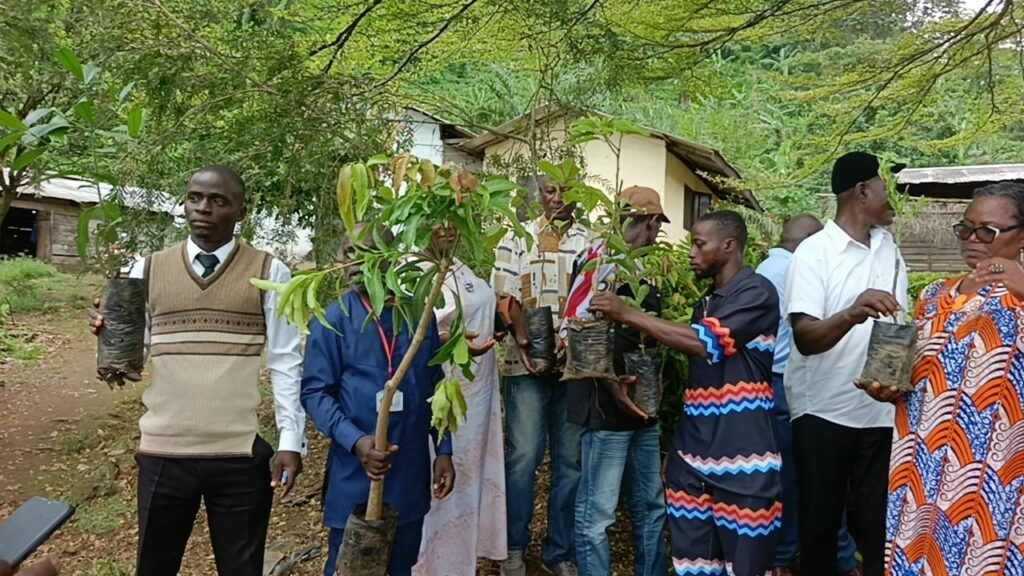
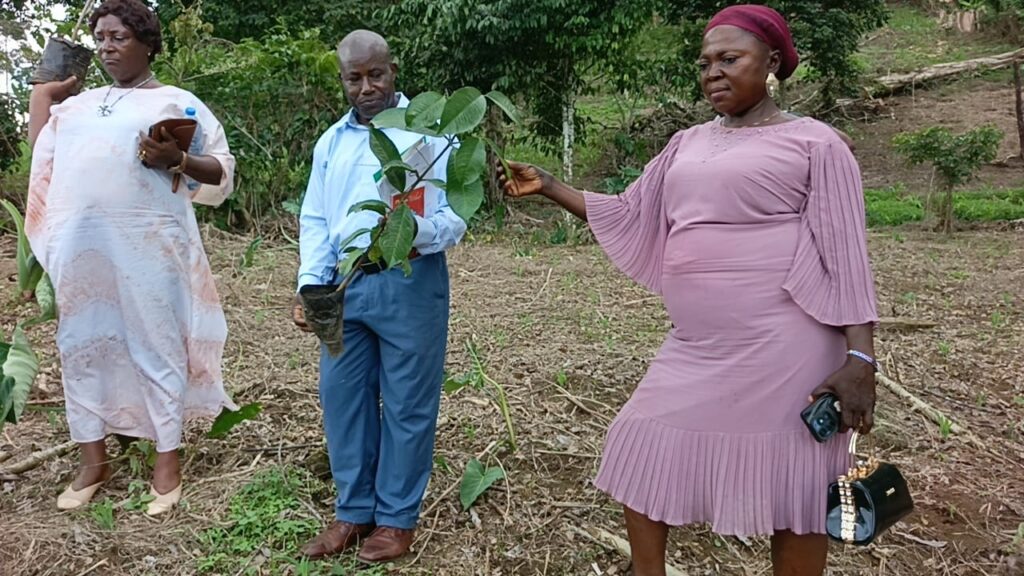
During the launch, guests toured demonstration units including Azolla production beds, fish ponds, poultry sections, and agroecological crop plots. CAEP staff explained how the systems work together.
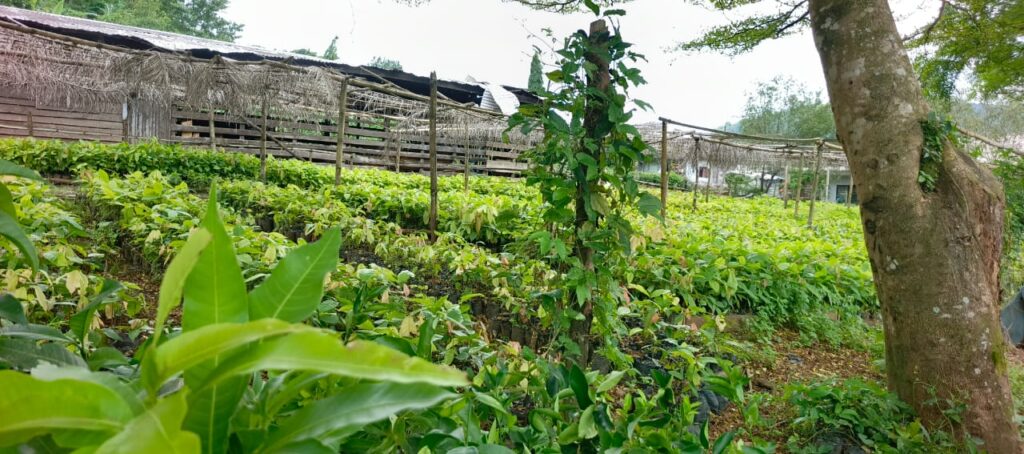
They said the site will serve as a permanent demonstration and training hub for farmer field learning and agroecology promotion. The group thanked Global GreenGrants Fund for grassroots environmental support that made the initiative possible.
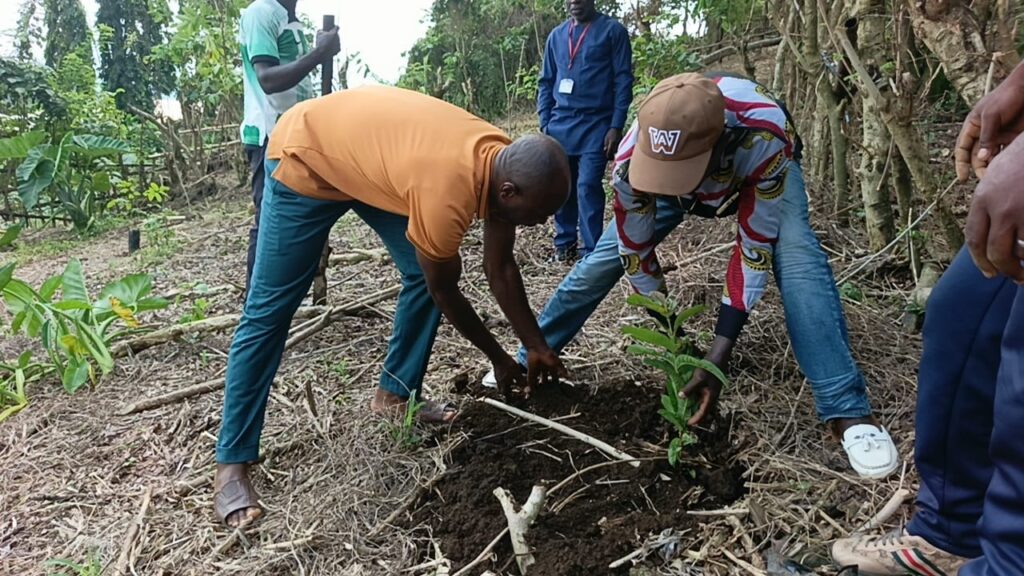
Farmers React
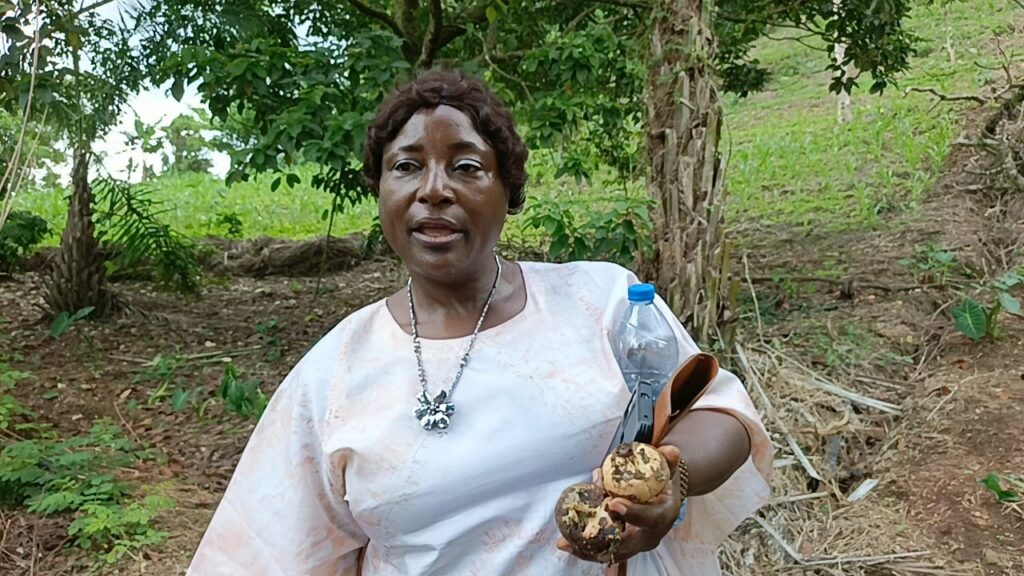
Epote Geraldine of Tombel Unique Farmers’ Cooperative, UNIFACOOP, said she was impressed by field lessons on planting mango, pear, bitter kola, and cultivating waterleaf. “Water was a problem in the dry season, but it has been resolved. I thank the organizers for this great job,” she said.
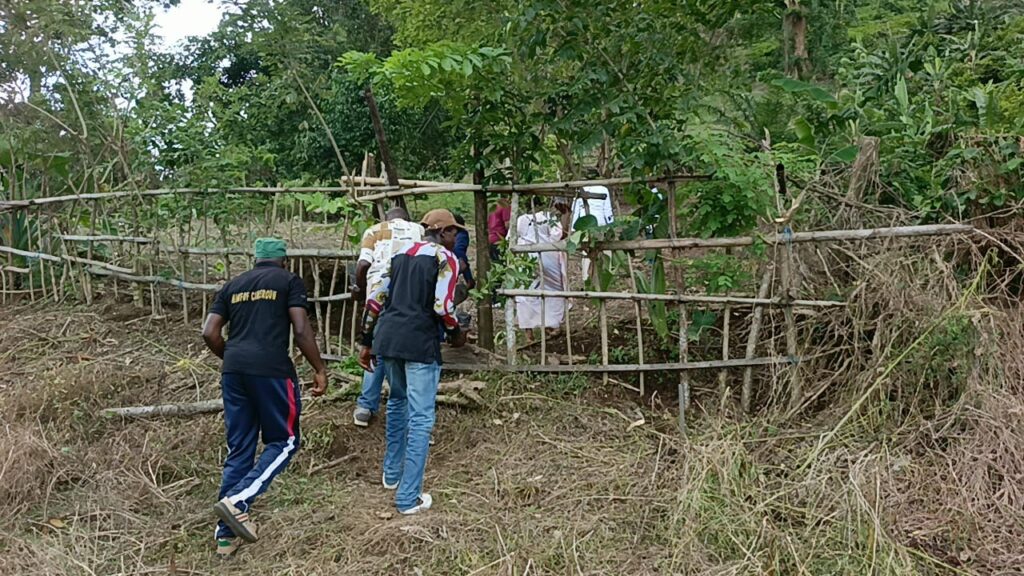
Atabe Vivian, a CAEP farmer from Tombel, said she learned mixed farming for the first time. “I didn’t know I could plant pear, bitter kola, orange, maize, and cocoyam on the same plot. I came empty but leave with knowledge.
My challenge now is markets — there’s no special market for organic produce. We need government or media to help create one. You eat healthy, you live healthy,” she said.
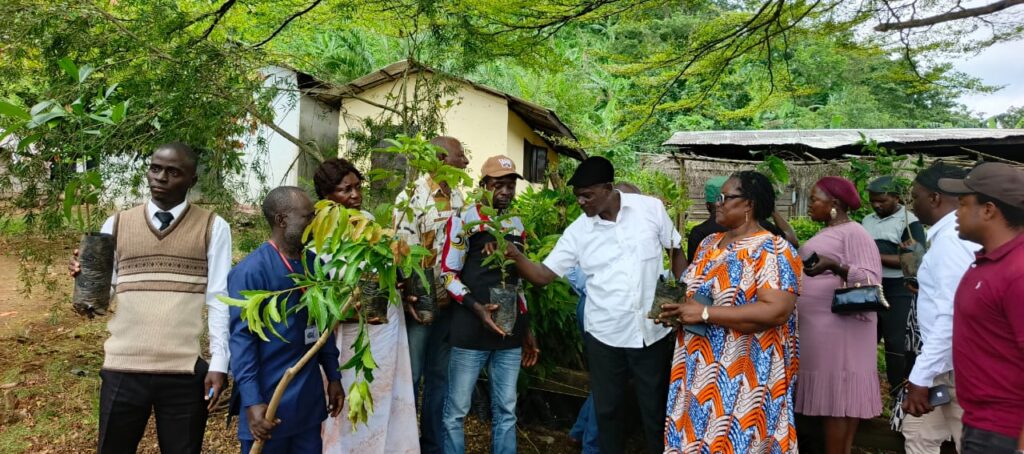
Munga Joan, a farmer from Mbonjo, Moungo Division, and a member of SYNAPARCAM, partner organization with CAEP said the new system cuts crops’ maturity time. “According to the new planting system, instead of 10 years, some trees can be ready in 3 years. My farm has been transformed,” she said, thanking Eku Emmanuel for the initiative.
By Nuella Teneng