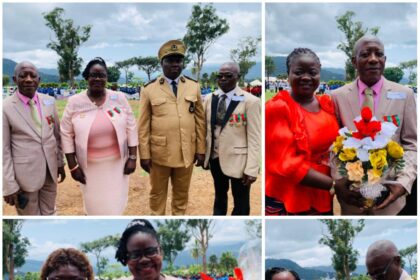




A UK-based charity, the David Hoyle Foundation, has launched a major project to support over 200 women in Nguti Subdivision, Kupe Muanenguba, whose livelihoods were destroyed by nine years of socio-political crisis.
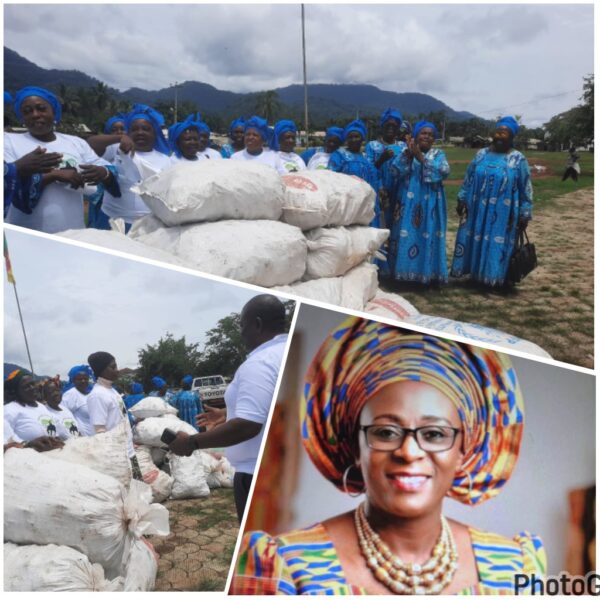
Created in England on March 13, 2018, the Foundation works in education, conservation, and agriculture, to continue David Hoyle’s legacy in natural resources and wildlife conservation.
In Nguti, it is partnering with local NGO Nature Cameroon to restore food security for women returning home after years of displacement.
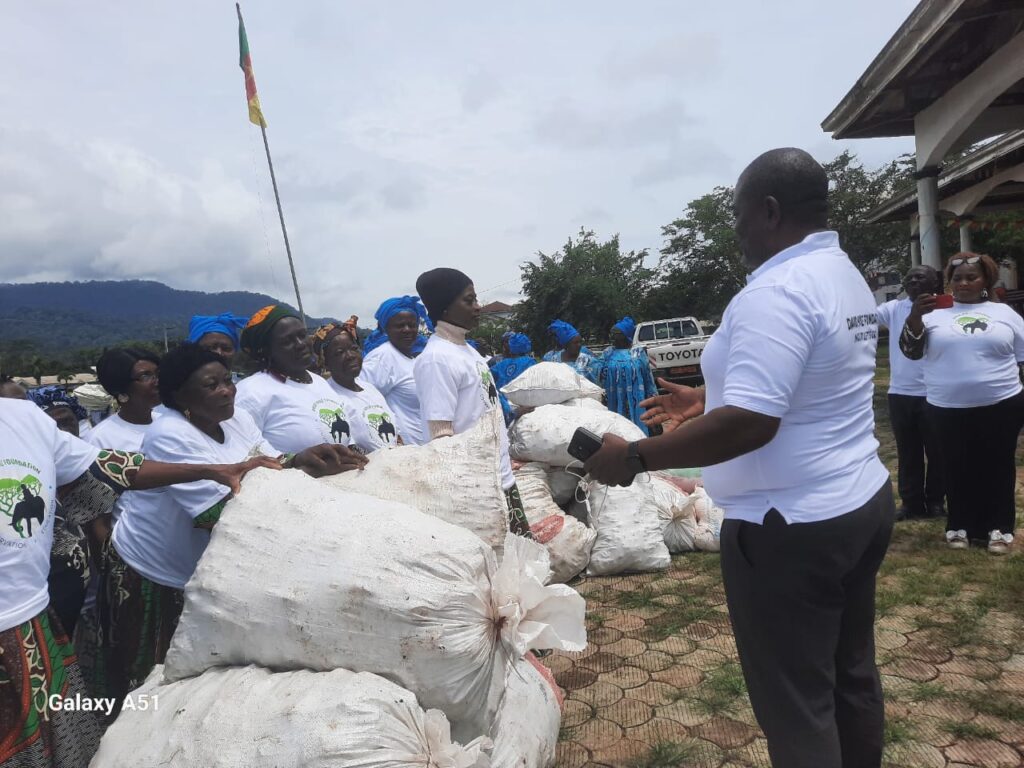
“Nguti has been hard hit. People were killed, homes burnt, properties looted, and many fled,” the project statement notes. “In every crisis, women, children, and the elderly are most vulnerable. Nguti is no different.”
Marceline Favour Hoyle, Director of the Foundation disclosed.
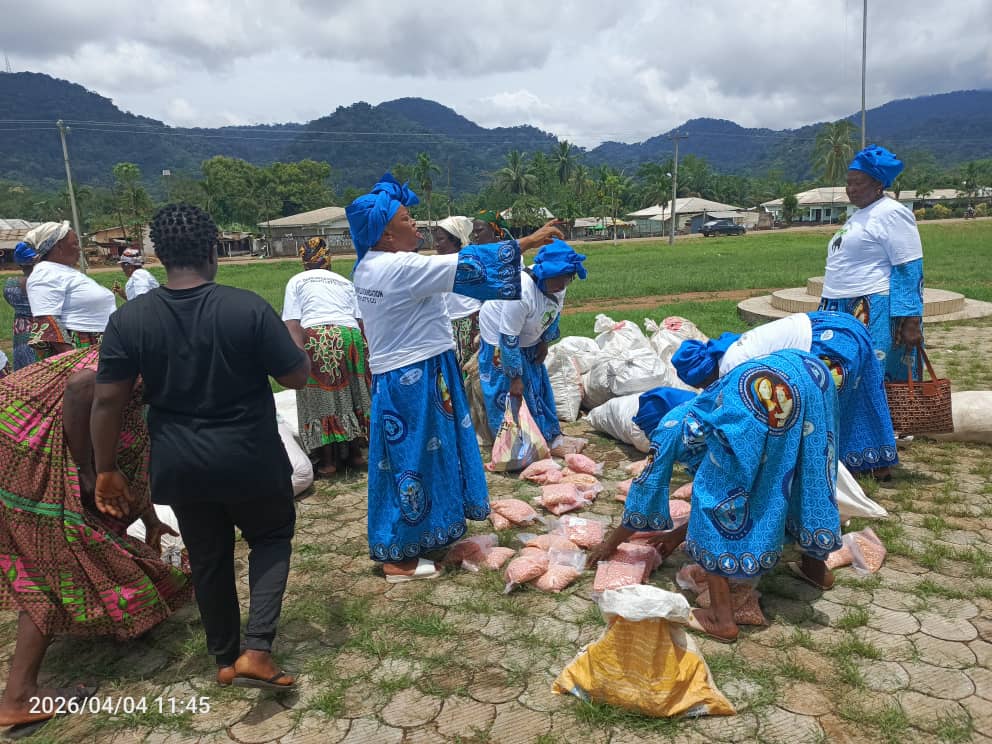
She said many women are now returning, but their main livelihood, food crop farming has collapsed. “Farms and gardens were abandoned for years, leading to a complete loss of planting seeds and cassava cuttings. With women largely responsible for feeding their households, the risk of hunger and starvation is high.”
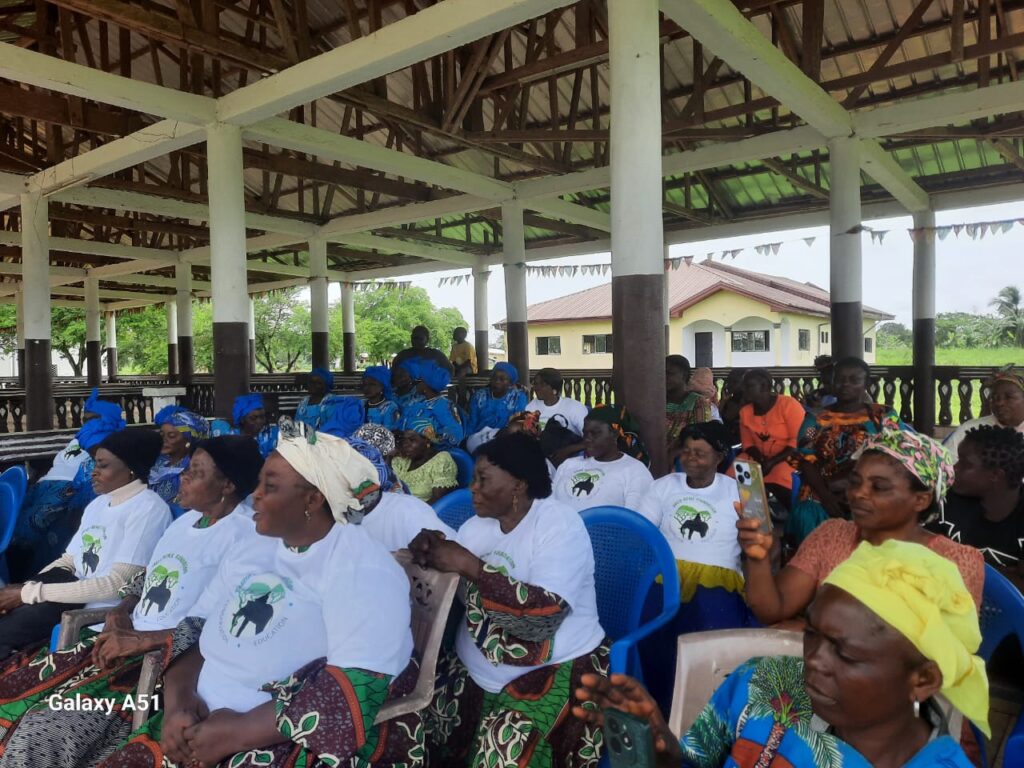
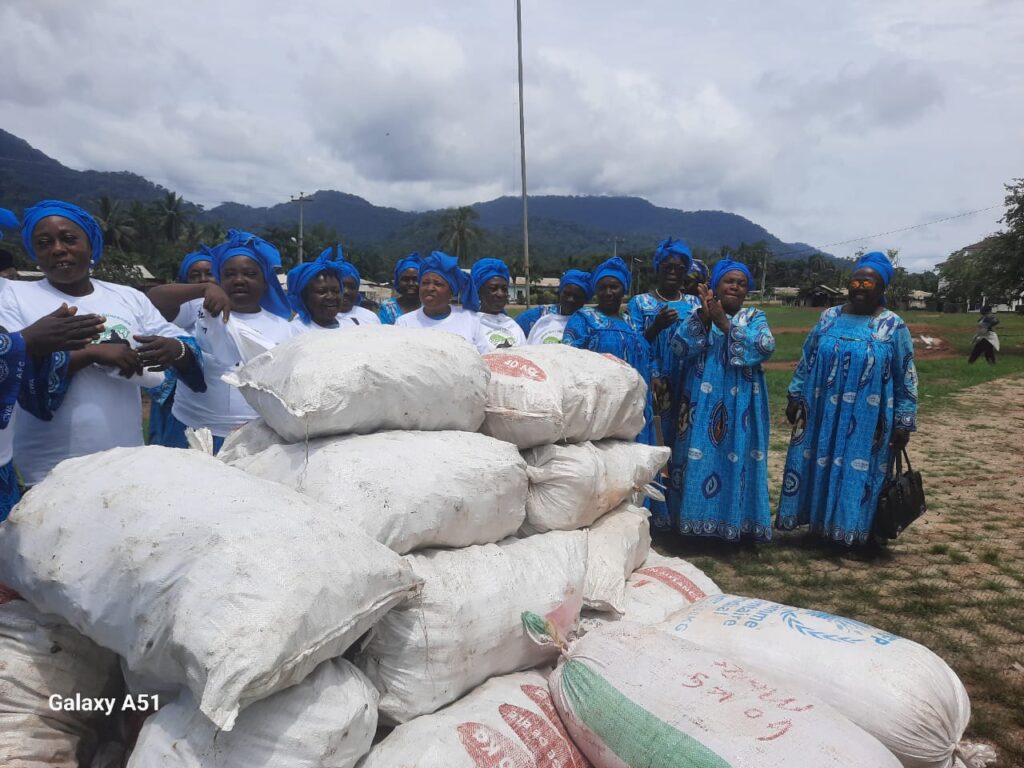
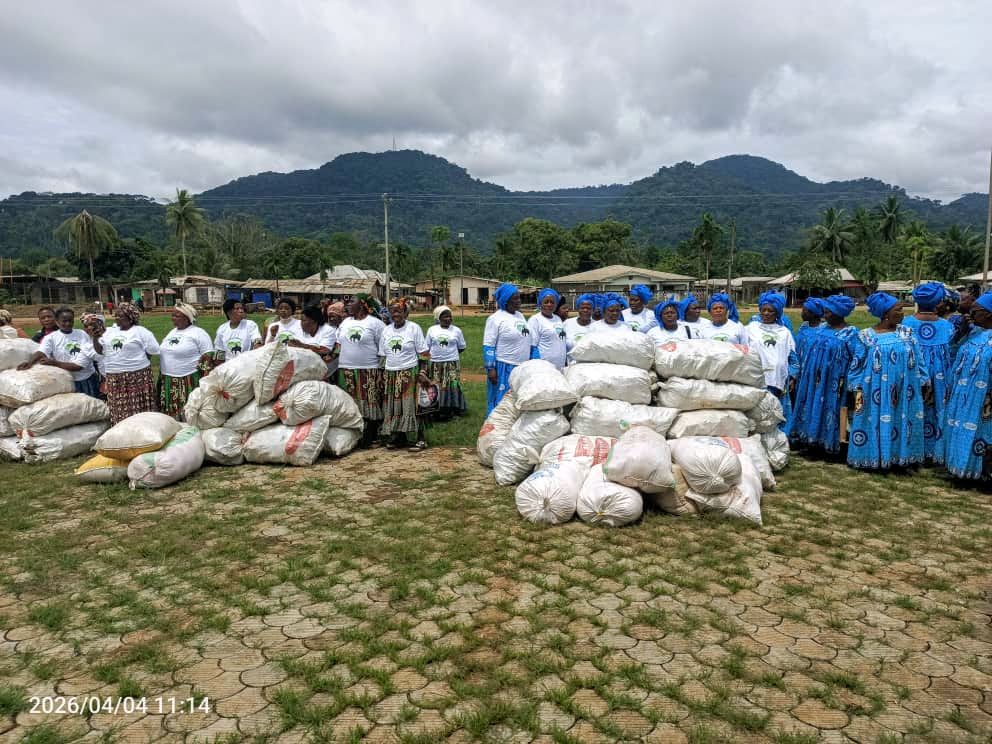
To address this, the David Hoyle Foundation project has distributed improved, sustainable varieties of maize seeds and cassava cuttings to women currently living in Nguti. The goal is to revamp production and save lives.
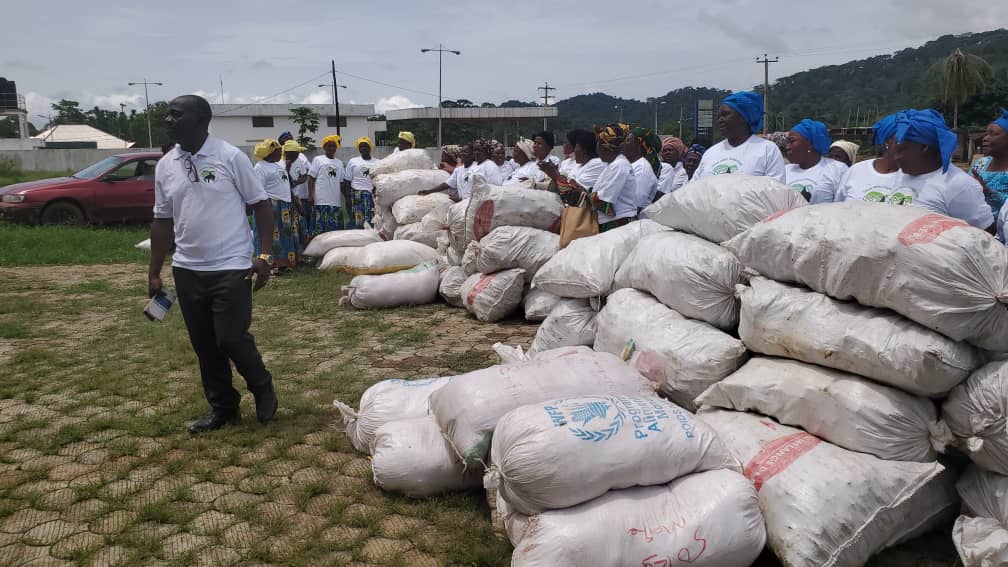
According to Marceline Hoyle, the project has four objectives: provide sustainable livelihoods, rebuild community self-esteem to encourage more returns, establish a clear beneficiary support system, and monitor progress for future expansion.
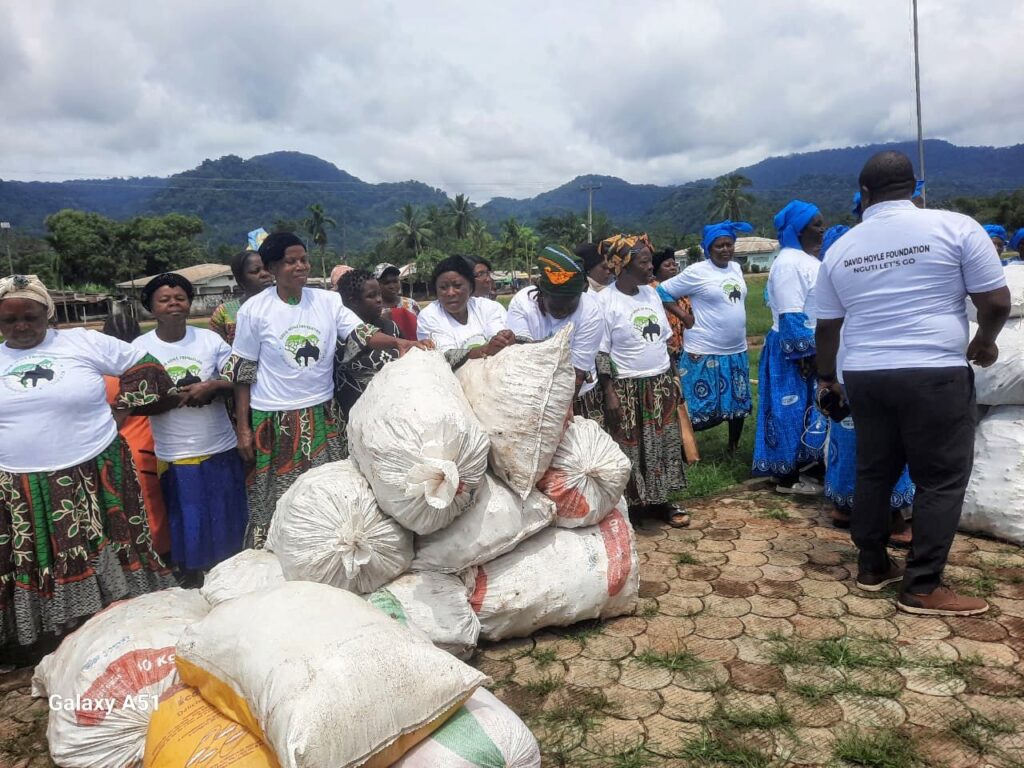
She said the expected outcomes are significant. “Over 200 women will be identified, mobilized, and trained on good farming practices. The Foundation plans to distribute 25,000 kilograms of improved maize seeds and 30,000 cassava cuttings. The project will expand to include women from other villages in Nguti Subdivision by the next planting season.” Hoyle disclosed.
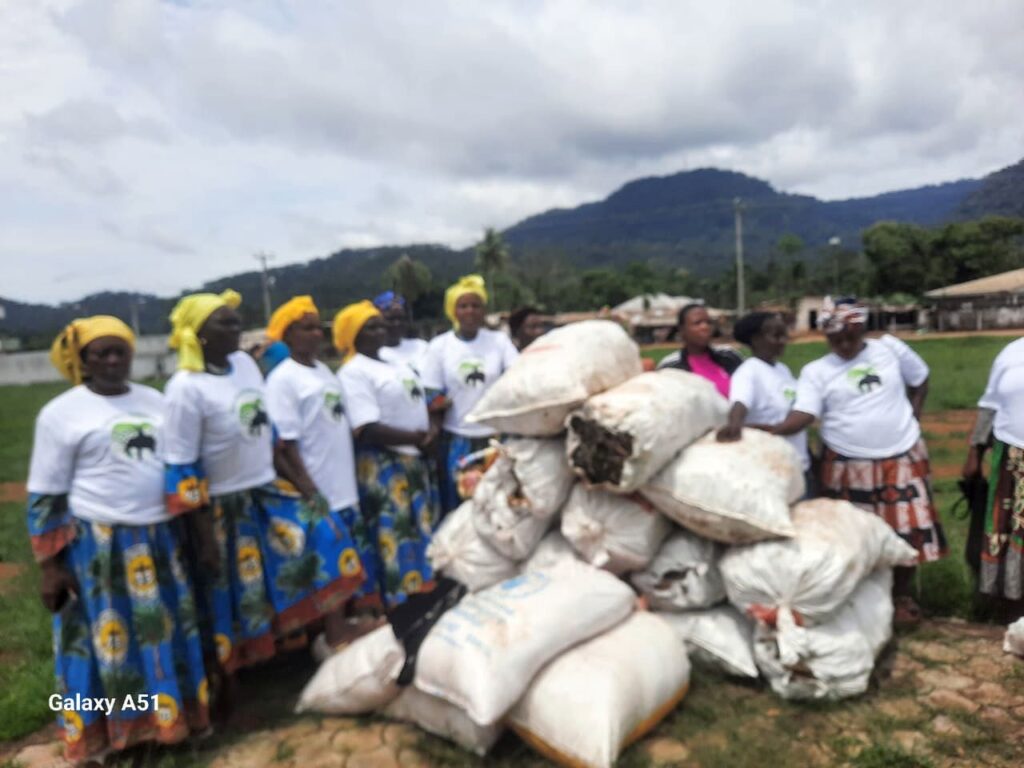
The Director added that beyond agriculture, the Foundation also supports education in Nguti through classroom renovation, provision of learning materials, and assistance to PTA teachers.

By Olive Ejang